 English
 عربى
عربى Español
 中文简体
中文简体
+86-0572-5888031

0
ENG
Plastic vs PU Leather Dining Chairs: How to Choose the Right One for Your Space
 Home / Media / Industry News / Plastic vs PU Leather Dining Chairs: How to Choose the Right One for Your Space
 Plastic vs PU Leather Dining Chairs: How to Choose the Right One for Your Space
 2026.06.05
 Industry News
Content
Most people spend fewer than five minutes choosing a dining chair — and end up living with that decision for a decade. The wrong chair doesn't just look out of place; it makes every meal less comfortable, chips away at your back, and eventually costs more to replace. Here's a clear breakdown of the main dining chair types, what separates good from great, and how to match a chair to your actual needs.
Plastic Dining Chairs: The Practical Choice That's Earned Its Reputation
Plastic dining chairs have shed their cheap reputation over the past decade, and for good reason. Modern all-plastic designs use high-density polypropylene (PP) — the same material used in automotive and industrial applications — giving them a load capacity that rivals upholstered alternatives at a fraction of the weight.
Take the stackable all-plastic dining chair with a unibody PP construction as a reference point: dimensions of W485×D530×H855mm with a 455mm seat height, supported by chromed metal tube legs. That combination of lightweight shell and metal base means you can stack six chairs in the corner without breaking a sweat — critical for anyone running a café, event space, or just dealing with a small apartment.
The other underrated benefit: color flexibility. A single PP mold can produce white, gray, soft yellow, green, or black variants without retooling. For restaurants redesigning a dining room or homeowners who change décor regularly, this is a genuine advantage.
Best for: high-traffic commercial settings, outdoor terraces, families with young children, or anyone who prioritizes low maintenance above all.
PU Leather Dining Chairs: Comfort Meets Easy Care
PU (polyurethane) leather dining chairs occupy the sweet spot between visual warmth and practical upkeep. Genuine leather requires conditioning, reacts to humidity, and cracks under UV exposure. Fabric absorbs spills and odors. PU leather does neither — a damp cloth handles most dining-table incidents in seconds.
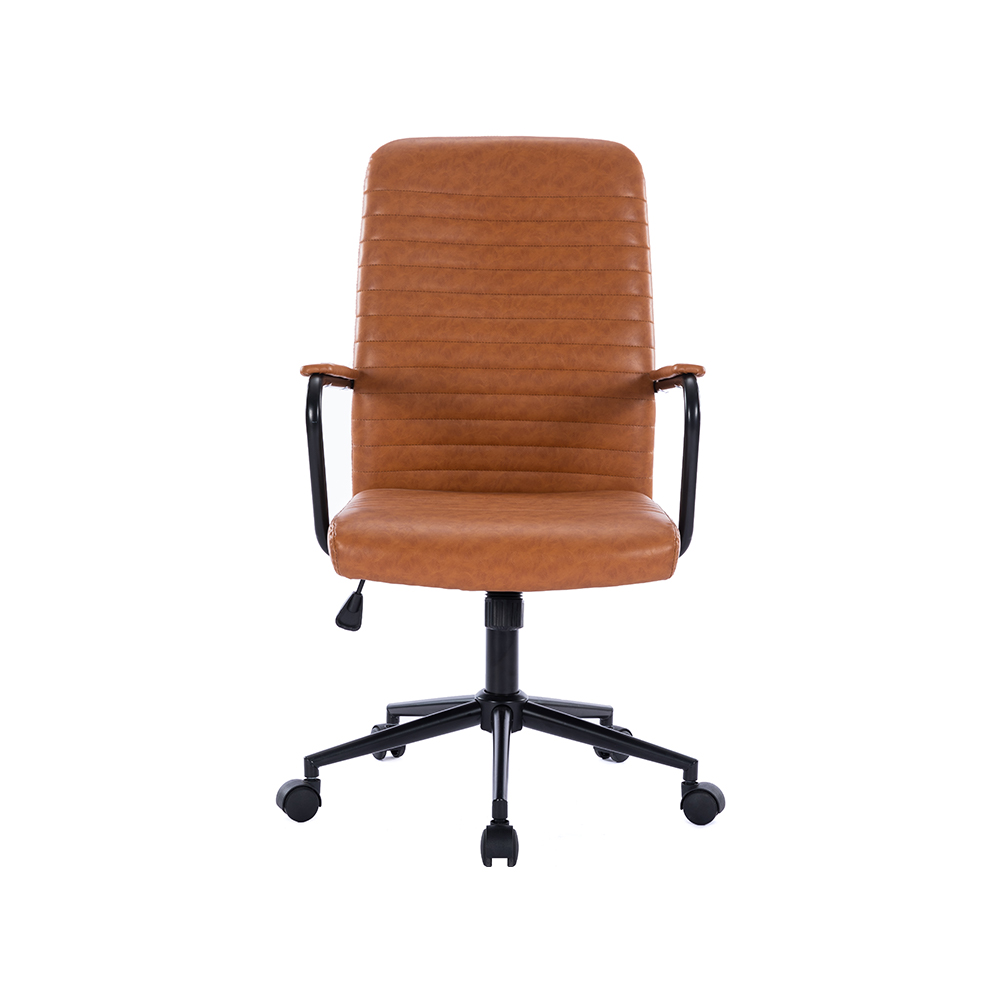
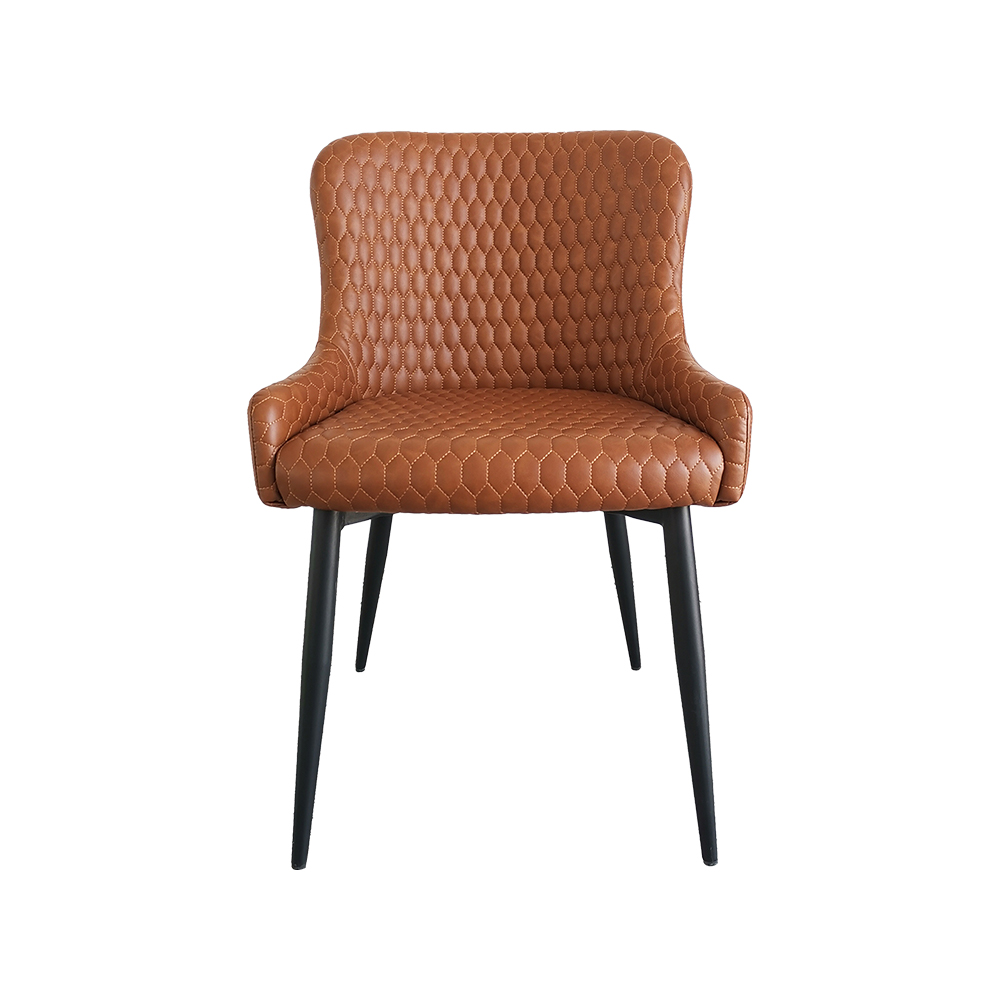
The construction matters more than the surface material. A well-built PU leather chair pairs a plastic shell base with a layer of original foam, then wraps both in the upholstery. The foam-padded PU dining chair with welded Ø32mm metal tube legs (W600×D520×H780mm, seat height 450mm) is a good example of this layered approach: the metal tube frame at 1.2mm thickness provides rigidity, while the foam layer prevents the hard shell from telegraphing through the seat after an hour at the table.
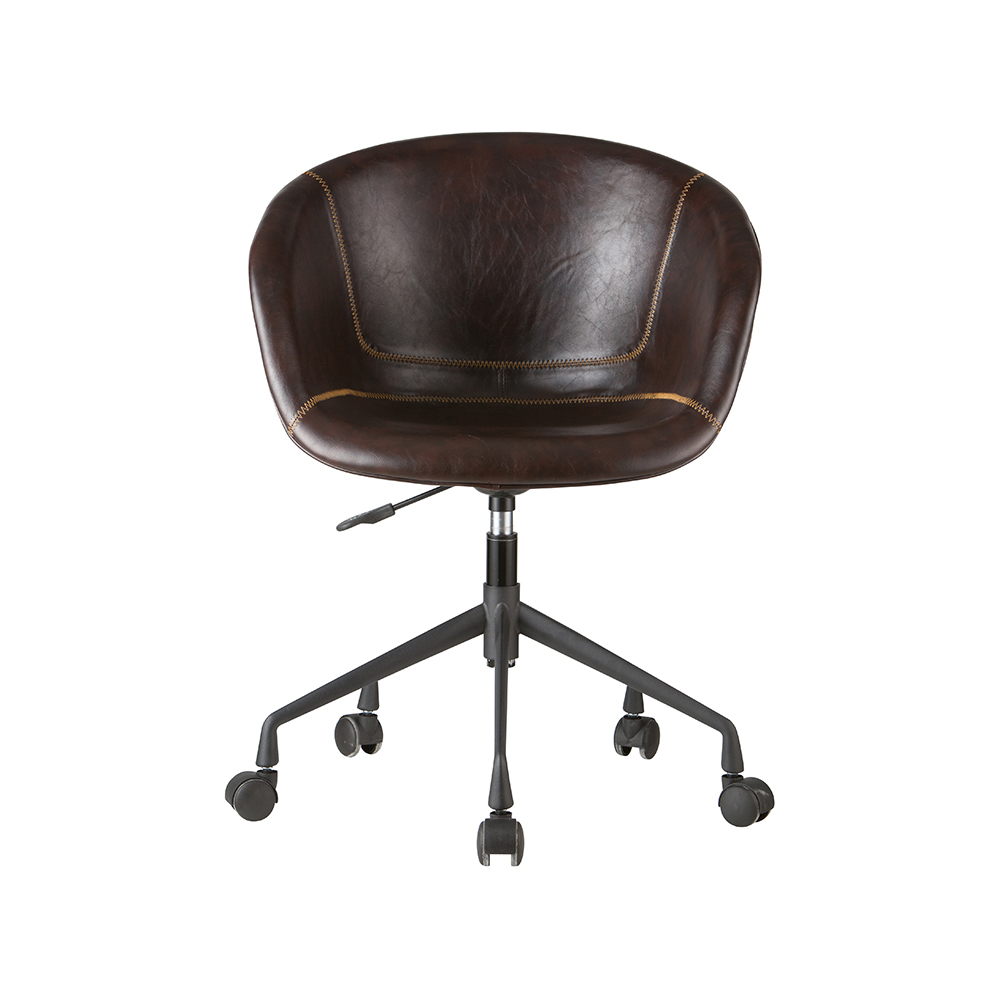
Vintage PU leather — with its slightly textured, aged appearance — has become the dominant aesthetic in contemporary dining rooms because it reads as warm and organic rather than corporate. It pairs equally well with wood-top tables and marble surfaces.
| Feature | Plastic Dining Chair | PU Leather Dining Chair |
|---|---|---|
| Seat comfort (1hr+) | Moderate | High (foam-padded) |
| Cleaning ease | Very easy (wipe down) | Easy (damp cloth) |
| Stackability | Yes (most models) | Rarely |
| Color options | Wide range | Moderate (neutrals dominant) |
| Ideal setting | Commercial, casual | Home dining room, restaurant |
Best for: home dining rooms, boutique restaurants, co-working café spaces, or anyone who wants a polished look without genuine leather's maintenance demands.
What "Dining Room Chair" Actually Means for Sizing
The phrase "dining room chair" is surprisingly specific in furniture terms. A standard dining chair targets a seat height of 440–460mm, designed to pair with tables at 720–760mm. Deviate more than 30mm in either direction and ergonomics suffer: too low forces the diner's elbows above table height; too high and knees press into the underside of the tabletop.
Back height is the second variable people underestimate. A low-back chair (backrest topping at around 500mm from the floor) suits open, airy spaces but offers no lumbar support for longer meals. A mid-back design, with the backrest reaching 780–850mm total height, cradles the lower back enough to make a two-hour dinner genuinely comfortable rather than an exercise in posture discipline.
Seat depth — typically 450–530mm on commercial-grade chairs — is the third dimension worth measuring. Deeper seats suit taller adults but cause shorter users to perch at the edge. For a household with mixed heights, 500–510mm is a safe middle ground.
Frame Material: Metal Tube vs Wood Leg
Metal tube legs (usually steel, chromed or powder-coated) dominate the commercial dining chair market for a straightforward reason: welded joints don't loosen the way dowel-and-glue wood joints do under repeated use. A Ø19mm tube at 1.5mm wall thickness, welded at all contact points, handles repeated commercial loads without the creaking that plagues lower-grade wooden frames after 12–18 months.
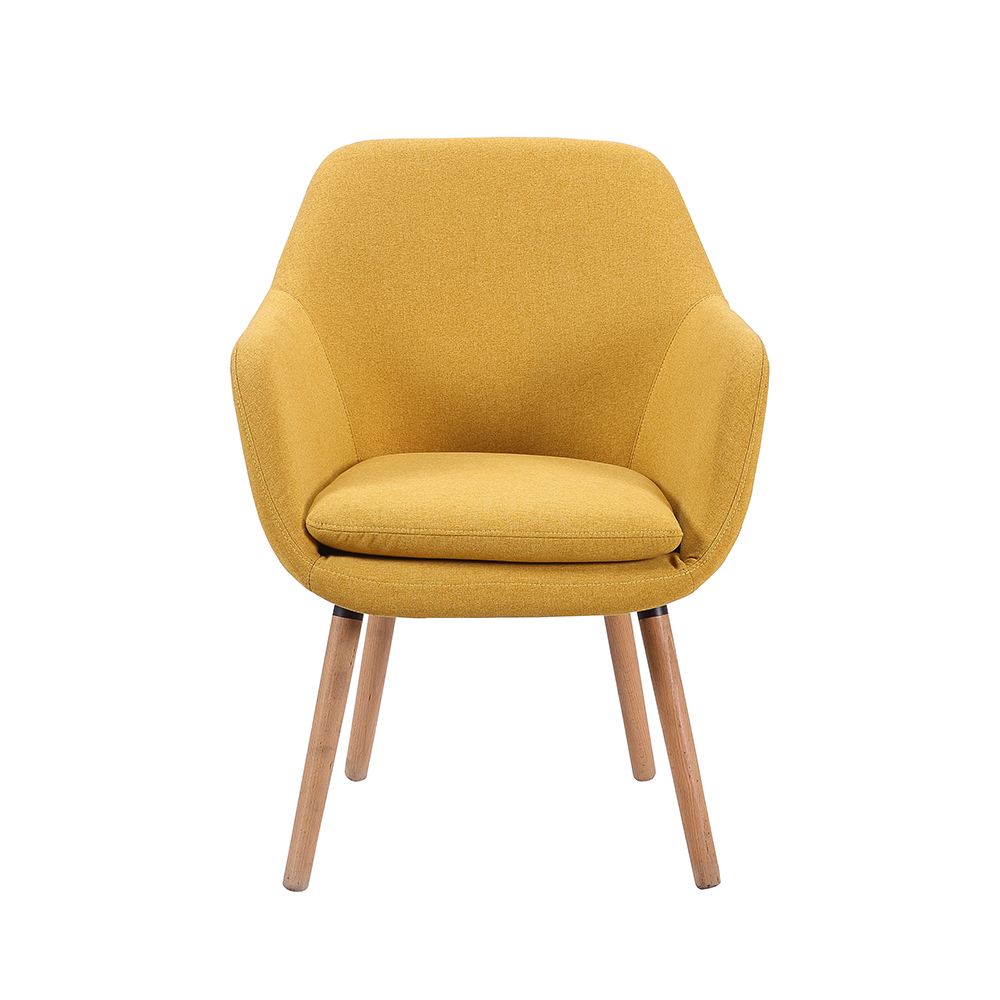
Wood legs, by contrast, offer warmth and visual weight that metal can't replicate — particularly tapered solid-wood legs on upholstered chairs. The trade-off is maintenance: wood responds to humidity, which matters in kitchens and outdoor-adjacent settings. For strictly indoor residential use where aesthetics drive the decision, dining chairs with wood legs and fabric upholstery deliver a softer, more residential look that metal frames can't match.
Chromed metal falls between the two in visual terms — it reflects light and reads as contemporary without the coldness of matte black powder coat. For settings where the chair will be partially visible under a tablecloth (formal dining rooms, restaurant setups), chrome is typically the better choice.
Three Questions Before You Buy
How long do people actually sit? Casual breakfasts and lunches under 30 minutes are fine on a plastic seat. Family dinners running 60–90 minutes warrant foam padding. Restaurants expecting extended dwell time should prioritize upholstered seats to encourage customers to linger — that directly affects revenue per table.
How often will the chairs move? Stackable plastic chairs are unbeatable for spaces that reconfigure regularly. Fixed-leg upholstered chairs are better anchors for a dedicated dining room that rarely changes layout. Most PU leather chairs on welded metal bases fall in the middle — durable enough to move regularly, but not designed to stack.
What's the cleaning reality? Think about who's eating, not just what. A household with young children should weight cleanability heavily; PU leather and solid plastic both score well here. A formal dining room used mainly by adults can justify fabric upholstery — but commit to a cleaning plan, because fabric holds odors from high-fat cooking environments. Browse the full dining chair range with plastic, PU leather, and fabric options to compare specifications side by side.
The Bottom Line on Dining Chair Selection
Plastic dining chairs win on practicality, price, and flexibility. PU leather dining chairs win on comfort, aesthetics, and longevity in residential settings. The right answer almost always comes down to who's using the chairs, for how long, and how often the space changes. Match the chair to those three variables — not just to the table it sits next to — and you'll get a decade of use out of the choice rather than a replacement cycle every few years.
For buyers sourcing at volume, whether for a restaurant group, hotel, or multi-unit residential project, frame specifications (tube diameter, wall thickness, weld points) and carton ratings (220-pound boxes are standard for export-quality chairs) are the fastest way to separate commercial-grade product from consumer-grade product dressed up in commercial packaging.
QUICK LINKS
PRODUCTS
CONTACT & INFORMATION
-
 PHONE NUMBER
 -
 EMAIL
EMAILstellazhang@yimiga.com
-
 ADDRESS
No 366, Jingtu Road, Dipu Street, Anji County, Huzhou City, Zhejiang province, China. PC 313300.
CONNECT WITH US
Be the first to know about our news and updates.


Copyright © Zhejiang Zhongyi Furniture Co., Ltd.
All Rights Reserved.
 浙公网安备33052302000377号
浙ICP备14003933号-2
浙公网安备33052302000377号
浙ICP备14003933号-2
 Wholesale Ergonomic Chair Manufacturers