 English
 عربى
عربى Español
 中文简体
中文简体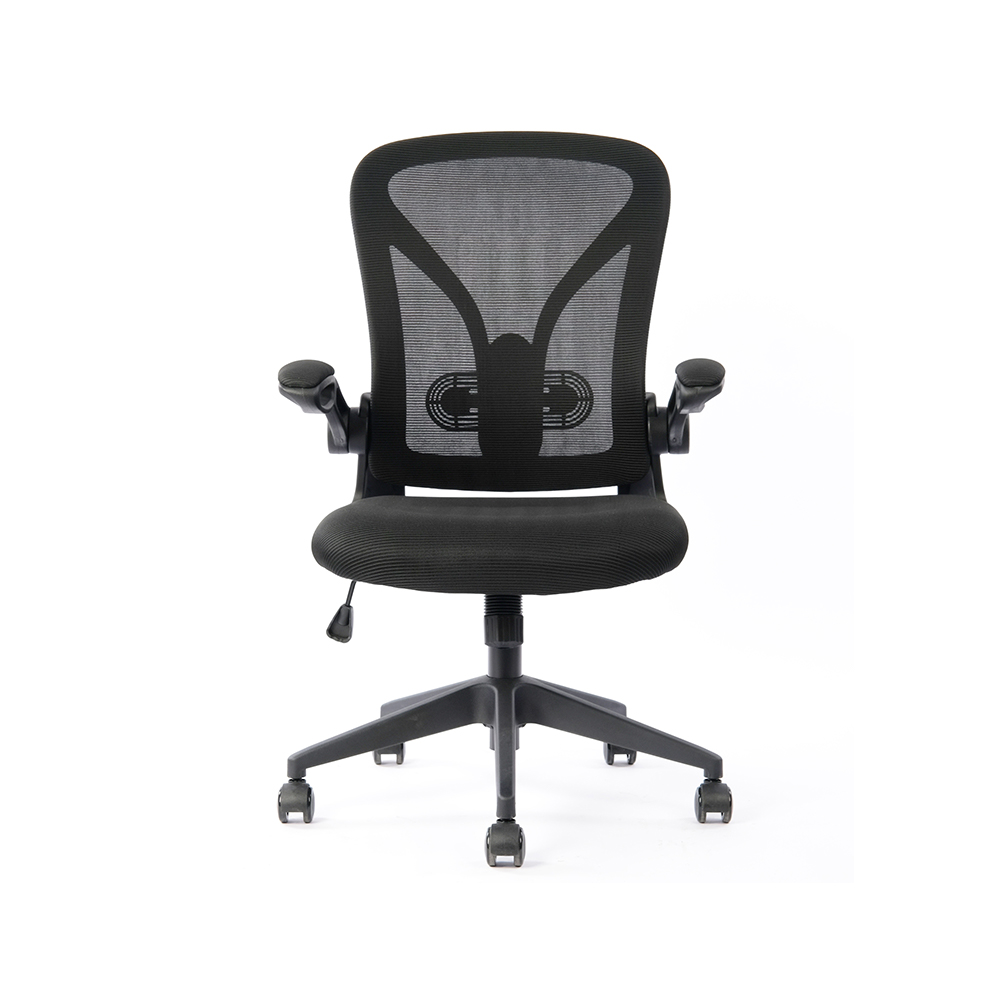
+86-0572-5888031

0
ENG
Home Chair Guide: How to Choose the Right Chair for Every Room in Your Home
 Home / Media / Industry News / Home Chair Guide: How to Choose the Right Chair for Every Room in Your Home
 Home Chair Guide: How to Choose the Right Chair for Every Room in Your Home
 2026.08.14
 Industry News
Content
- 1 Define the Room Before You Pick the Chair
- 2 Size and Proportions: The First Filter
- 3 Materials That Stand Up to Real Life
- 4 Home Office Chairs Are a Different Category
- 5 Dining and Bar Seating: Practicality First
- 6 Lounge Chairs for Rest and Recovery
- 7 What a Serious Supplier Should Be Able to Tell You
- 8 Final Word
You find a chair that looks perfect, place it in your dining room, and then discover that the seat is too low, the backrest ends at the wrong point, or the fabric stains after one family meal. This scenario is common among home buyers and equally common among retailers who later receive the complaints. As a manufacturer that has built seating for more than 100 global customers, we have learned that a home chair only works when its design matches its real job.
The conclusion comes first: the best home chair for you is not the most expensive one or the most fashionable one. It is the chair whose size, material, and adjustability are appropriate for the room, the body, and the number of hours spent in it. The sections below explain how to make that judgement before you buy.
Define the Room Before You Pick the Chair
A "home chair" is not a single furniture category. It is a dining chair used for three meals a day, an office chair used for an eight-hour workday, a lounge chair used for an evening of reading, or a bar stool used for quick snacks. Each setting changes the requirements.
| Setting | Typical sitting time | Key priority | Recommended base |
|---|---|---|---|
| Dining room | 30-60 minutes per meal | Firm seat, cleanable material, stable frame | Dining chair with plywood or metal frame |
| Home office | 4-8 hours per day | Adjustable height, lumbar support, breathable back | Swivel office chair with gas spring |
| Lounge or reading corner | 1-3 hours | Lower seat, deeper cushion, armrests | Leisure chair with reclined sitting angle |
| Kitchen counter or bar | 20-45 minutes | Correct seat height, foot support, easy to wipe | Bar chair or bar stool |
Using a dining chair at a desk for eight hours is the most common mistake we see. The body needs pressure relief and movement, not a fixed posture. Using a lounge chair for a work call is similarly risky, because the low back support is missing. Define the room first, and the chair choice becomes simpler.
Size and Proportions: The First Filter
If the seat height or seat depth is wrong, no amount of padding will fix it. A chair that is too high presses on the underside of the thighs; a chair that is too low forces the knees above the hips and strains the lower back. Check these measurements before anything else.
- Dining chairs: seat height around 45-50 cm, seat depth around 40-45 cm. The front edge should not press into the back of the knees.
- Home office chairs: seat height roughly 44-55 cm with a gas lift, seat depth 45-50 cm, and preferably a seat slide adjustment so the knee angle stays close to 90 degrees.
- Lounge chairs: seat height around 40-45 cm and a deeper seat of 50-55 cm, allowing the back to recline and legs to extend.
- Bar and counter stools: counter height between 90-95 cm calls for a stool seat height of 63-68 cm; a bar height of 100-110 cm calls for 70-76 cm.
Also measure armrest clearance. An armrest should let your shoulders stay relaxed, not force you to hunch. If the chair will slide under a table, check the height and depth when the armrests are present. These details separate a comfortable home chair from a painful one.
Materials That Stand Up to Real Life
The material choice should be driven by cleaning needs, airflow, and how long you sit, not by a photo. For a chair used with meals, an easily wiped surface is usually better than a porous fabric. For an office chair used during summer, a breathable mesh back prevents the sweaty feeling that fabric can cause.
- Mesh: breathable and supportive, but not ideal for formal dining areas.
- PU leather: easy to wipe and available in many colors; it is a strong candidate for dining chairs and bar stools.
- Fabric: comfortable and warm, but needs stain-resistant treatment and more careful maintenance.
- Wood, metal, and molded plastic: these define frame strength and stackability. A metal base gives rigidity, while a plywood seat deck provides a stable foundation for padding.
For a family dining area, a PU leather or fabric dining chair with a sturdy plywood seat frame is a practical balance between comfort and daily cleaning. The same logic applies to bar stools, where spills are frequent and the seat height must match the counter.
Home Office Chairs Are a Different Category
If you work at home for more than four hours per day, treat the chair as a work tool. A dining chair does not have enough lumbar support or seat adjustability for continuous sitting. The minimum package should include a gas spring, adjustable seat height, a backrest that supports the lumbar region, and a mechanism that allows slight recline.
The quality of the gas spring matters more than many buyers realize. A Class 3 or Class 4 gas spring maintains reliable height adjustment for years, while a low-grade gas spring can fail or feel rough. The same caution applies to the star base and castors: a five-star nylon or metal base is more stable than a four-star base when you lean to one side.
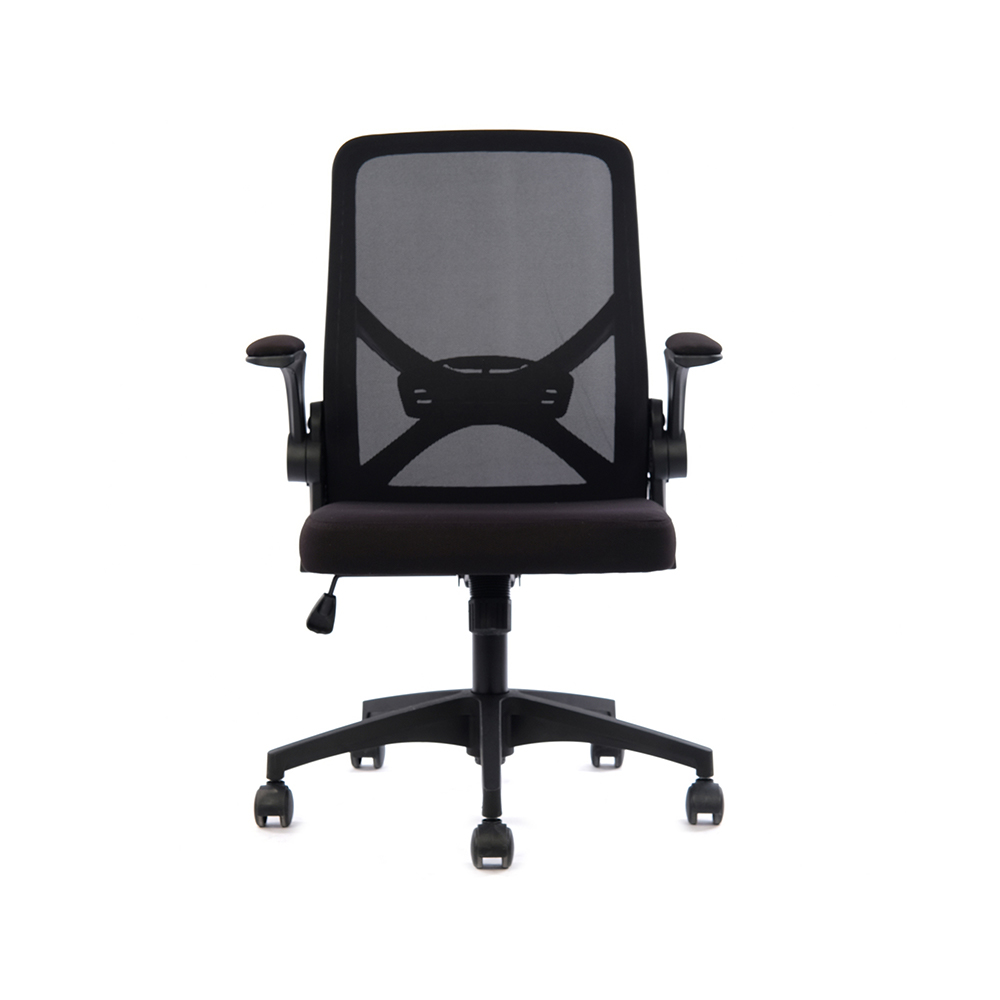
A swivel mesh office chair from the ZY6812 series covers these basics with a breathable mesh back and a pneumatic seat height lift. If you want to see lumbar support in a similar family, our ZY6813 model with extra lumbar support shows how back support is built into the frame. For a more complete discussion of when to prioritize ergonomic functions, our ergonomic chair versus home chair comparison explains the boundary clearly.
Dining and Bar Seating: Practicality First
In a dining area, chairs are moved, cleaned, and sometimes stacked. The frame must survive daily sliding on the floor, and the covering must tolerate food spills. For small apartments, a stackable chair reduces storage pressure.
Plastic chairs are light and stackable, but check that the material is UV-stable if the chair sits near a window. PU leather chairs are heavier but look warmer and can be wiped easily. Metal frame chairs provide a thin profile that fits under a compact table; just verify that the foot caps do not scratch the floor.
For a kitchen counter or home bar, seat height is the absolute priority. A stool that is 5 cm too high makes it hard to reach the counter; a stool that is too low leaves the feet unable to rest. Footrests reduce the pressure on the thighs. A metal-framed bar stool with a foot ring is a safer choice than a fixed-height stool when people of different heights use it.
Lounge Chairs for Rest and Recovery
A lounge chair has a different goal: it should let the body sink into a semi-reclined position while keeping the spine in a neutral curve. The seat is lower, the depth is longer, and the backrest angle is more open than on a dining chair. Armrests should allow the shoulders to drop naturally.
When choosing a lounge chair for a reading corner or bedroom, test the depth. If the front of the seat hits the back of your knees, the chair is too deep. If your lower back has no contact, the chair lacks lumbar shape. The best lounge chair leaves a small gap between the front edge and your legs and supports the full thigh.
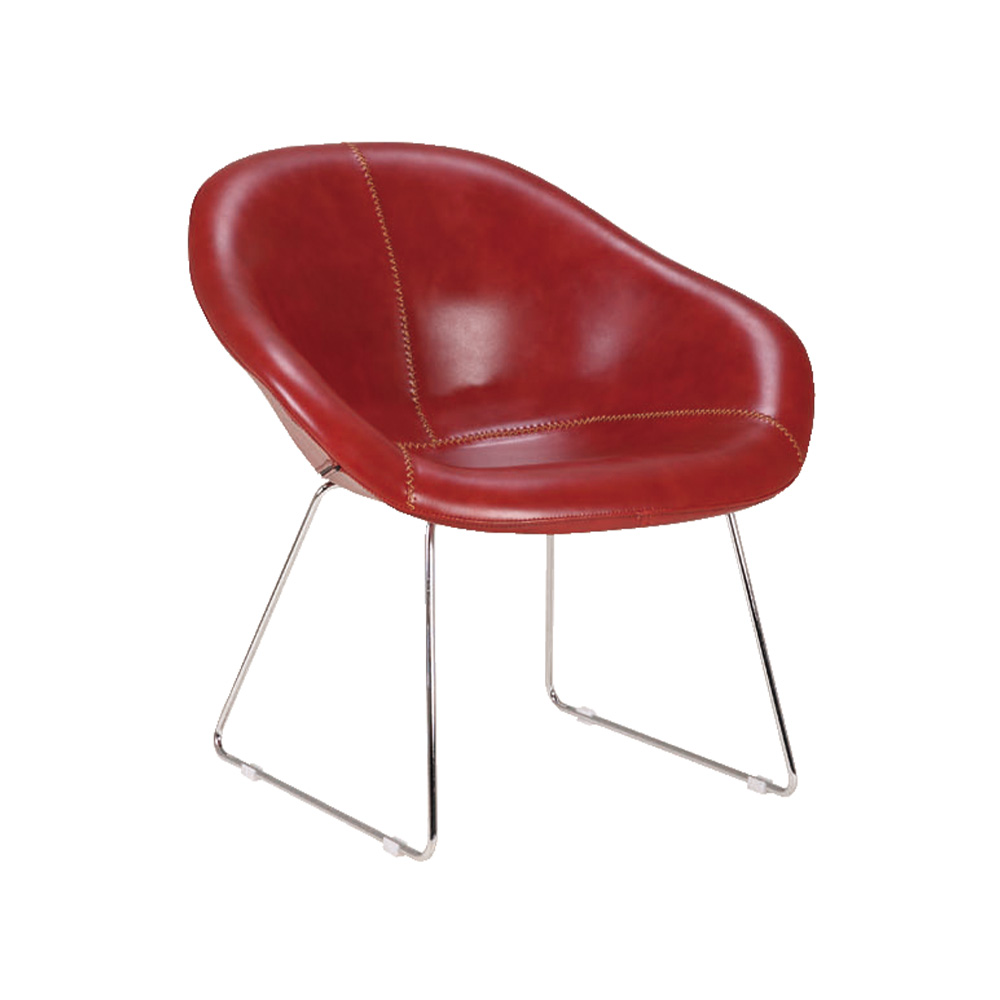
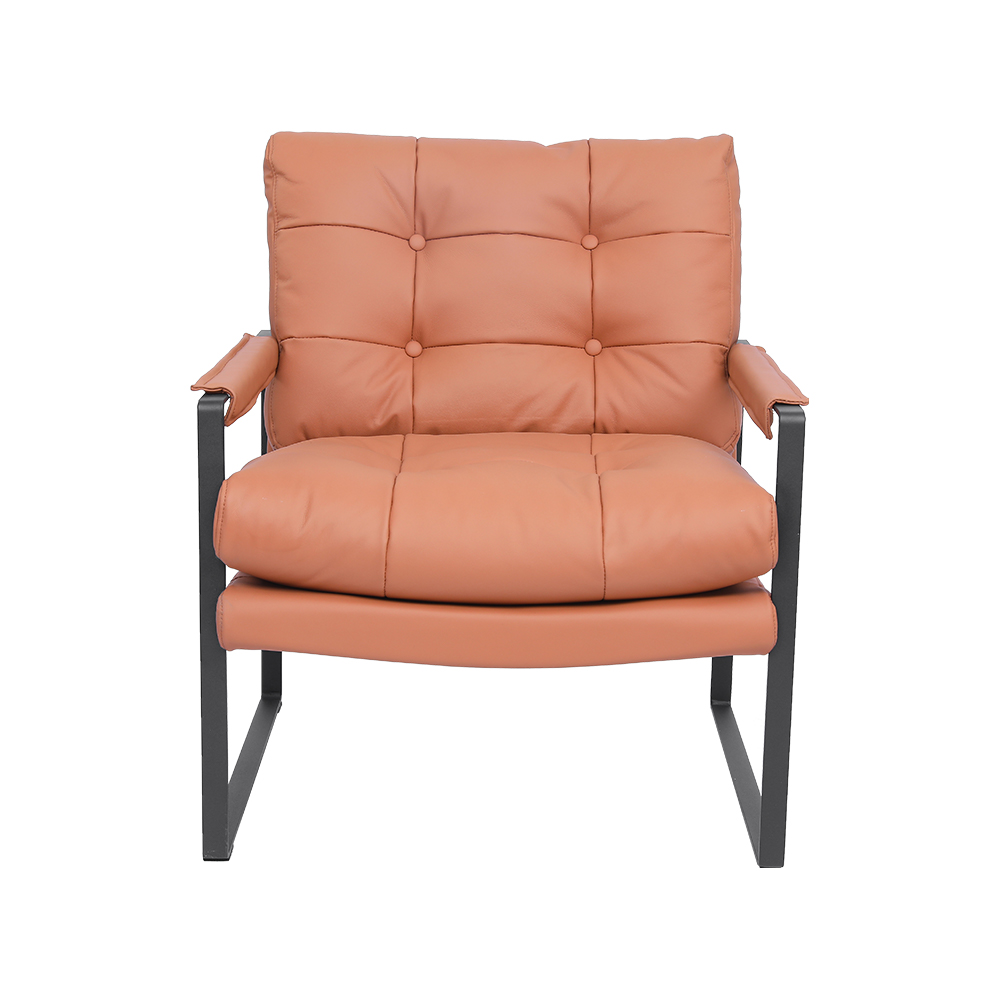
Frame stability is another hidden issue. A metal-frame leisure chair offers a slim silhouette and strong support, which is useful in a corner where you lean to one side to reach a book or a cup of tea. The material should also match the room: fabric for warmth, PU leather for easier cleaning, and mesh only if you live in a hot climate.
What a Serious Supplier Should Be Able to Tell You
If you are buying home chairs for your own home, the points above are enough. If you are a retailer, importer, or project buyer, the same selection criteria apply, but you also need to verify the factory behind the chair. We have supplied seating to more than 100 customers worldwide, and we believe a reliable supplier should answer four questions without hesitation.
- What quality system is in place? Look for ISO 9001, ISO 14001, and valid social compliance audits such as BSCI.
- What are the exact component ratings? Ask for the gas spring class, the foam density, the plywood thickness, and the fabric abrasion result.
- Where is the production capacity? A factory with injection molding, sewing, painting, and assembly lines can control quality better than one that outsources every part.
- Can the chair be customized? Material, color, logo, and packaging options matter when you sell under your own brand.
Because our factory in Anji, China, carries out injection molding, automatic painting, sewing, and final assembly in-house, we can answer these questions with concrete data and samples. Home chair comfort does not come from a single soft cushion; it comes from the sum of correct dimensions, reliable components, and honest production parameters.
Final Word
Choose a home chair by matching it to its real use. Measure the seat height and depth, select a material you can live with, and treat a home office chair as a work tool rather than a decorative piece. If you are sourcing for a business, add quality audits and component specifications to the same checklist. The chair that fits the room and the body will be the one that stays comfortable for years.
QUICK LINKS
PRODUCTS
CONTACT & INFORMATION
-
 PHONE NUMBER
 -
 EMAIL
EMAILstellazhang@yimiga.com
-
 ADDRESS
No 366, Jingtu Road, Dipu Street, Anji County, Huzhou City, Zhejiang province, China. PC 313300.
CONNECT WITH US
Be the first to know about our news and updates.


Copyright © Zhejiang Zhongyi Furniture Co., Ltd.
All Rights Reserved.
 浙公网安备33052302000377号
浙ICP备14003933号-2
浙公网安备33052302000377号
浙ICP备14003933号-2
 Wholesale Ergonomic Chair Manufacturers