 English
 عربى
عربى Español
 中文简体
中文简体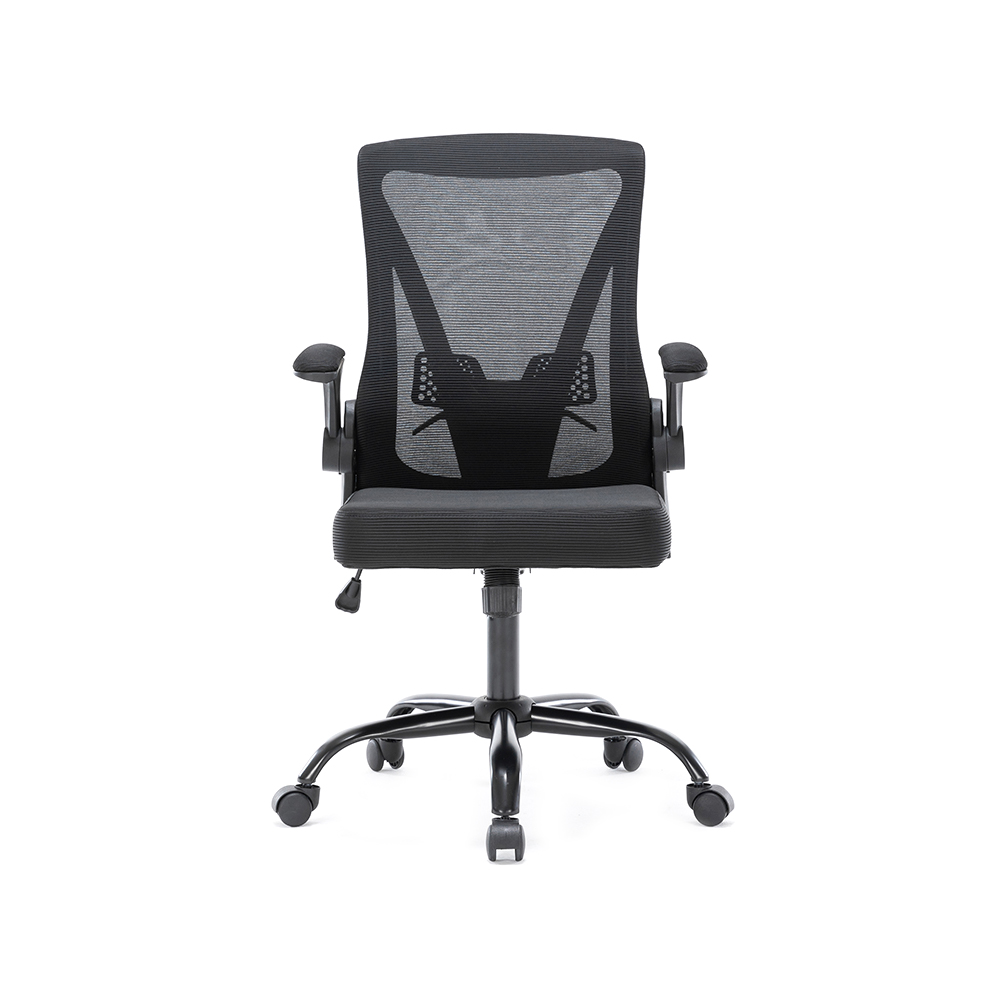
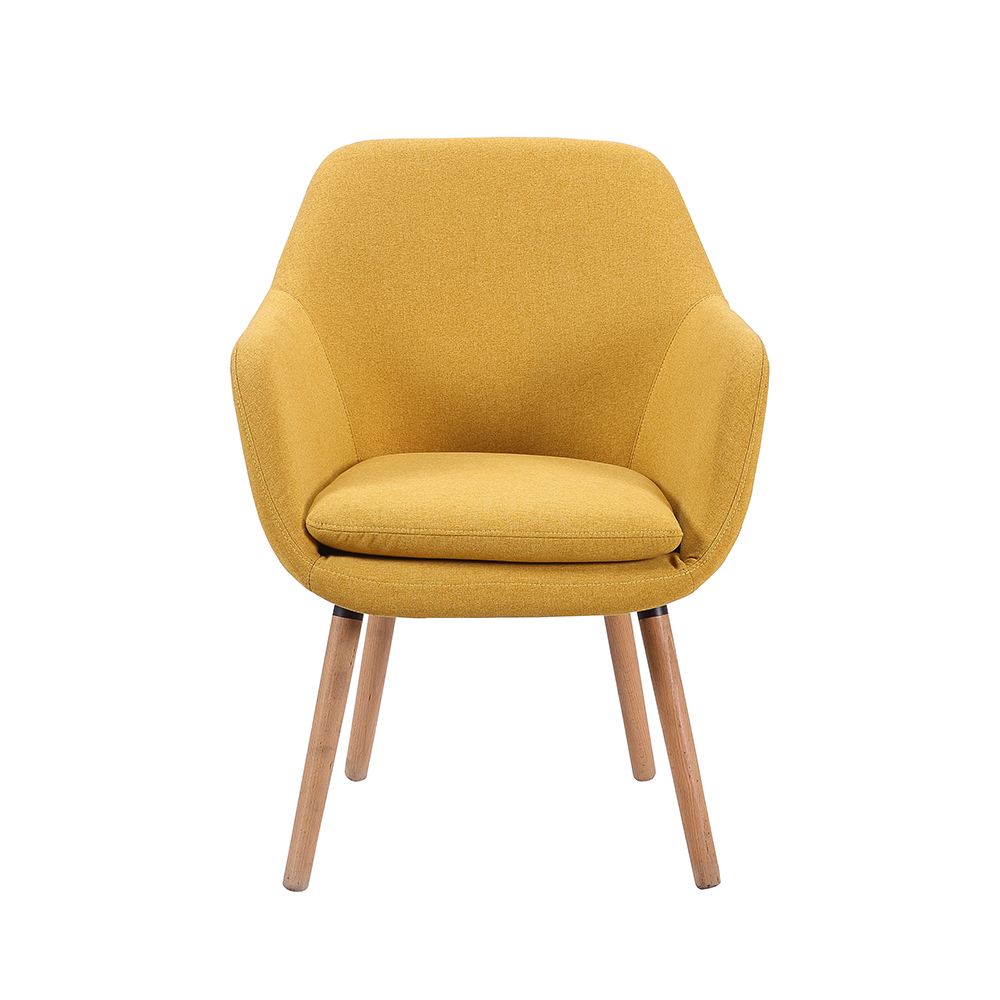
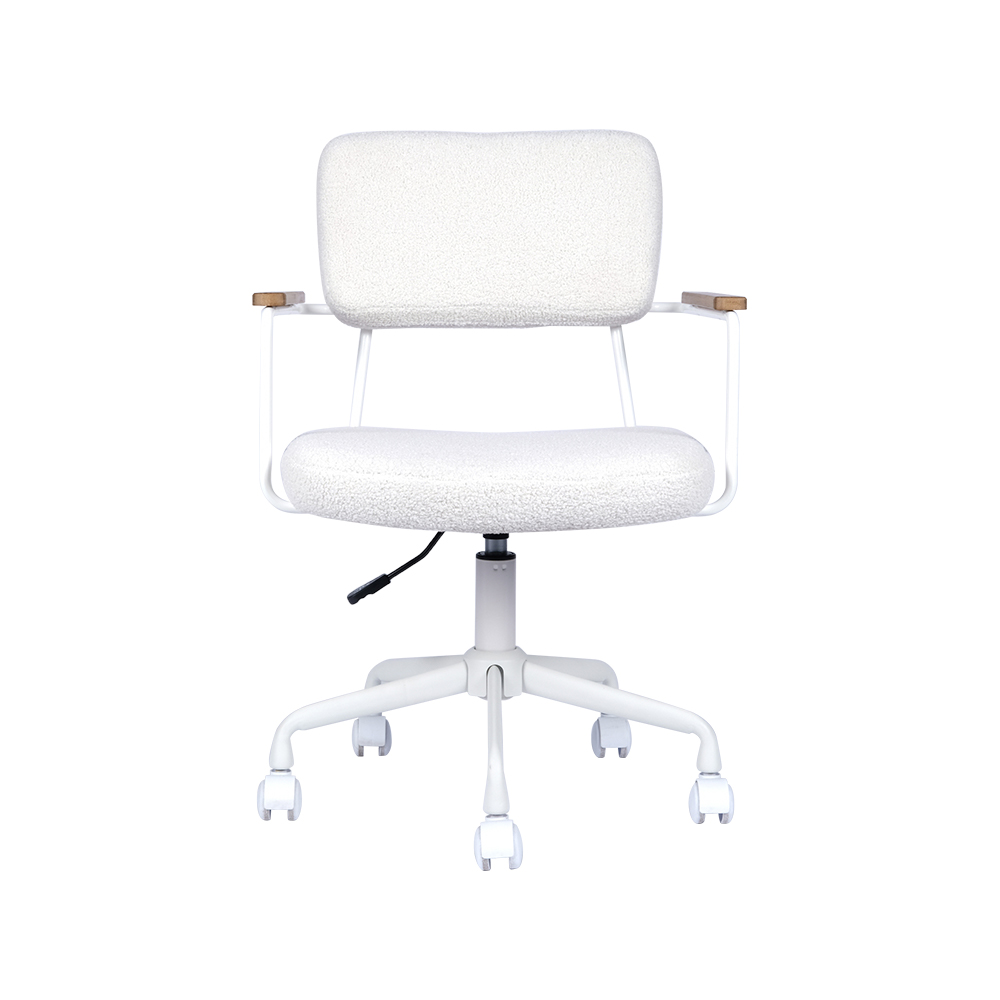
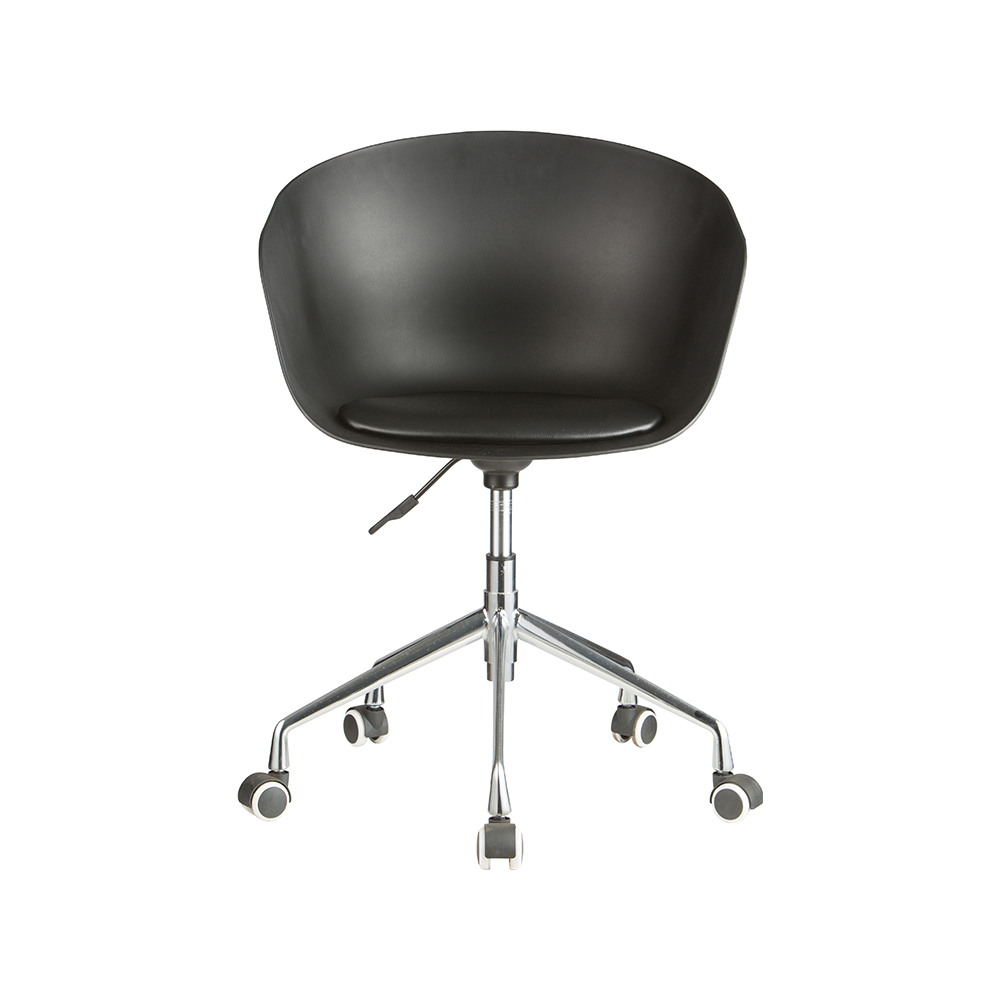
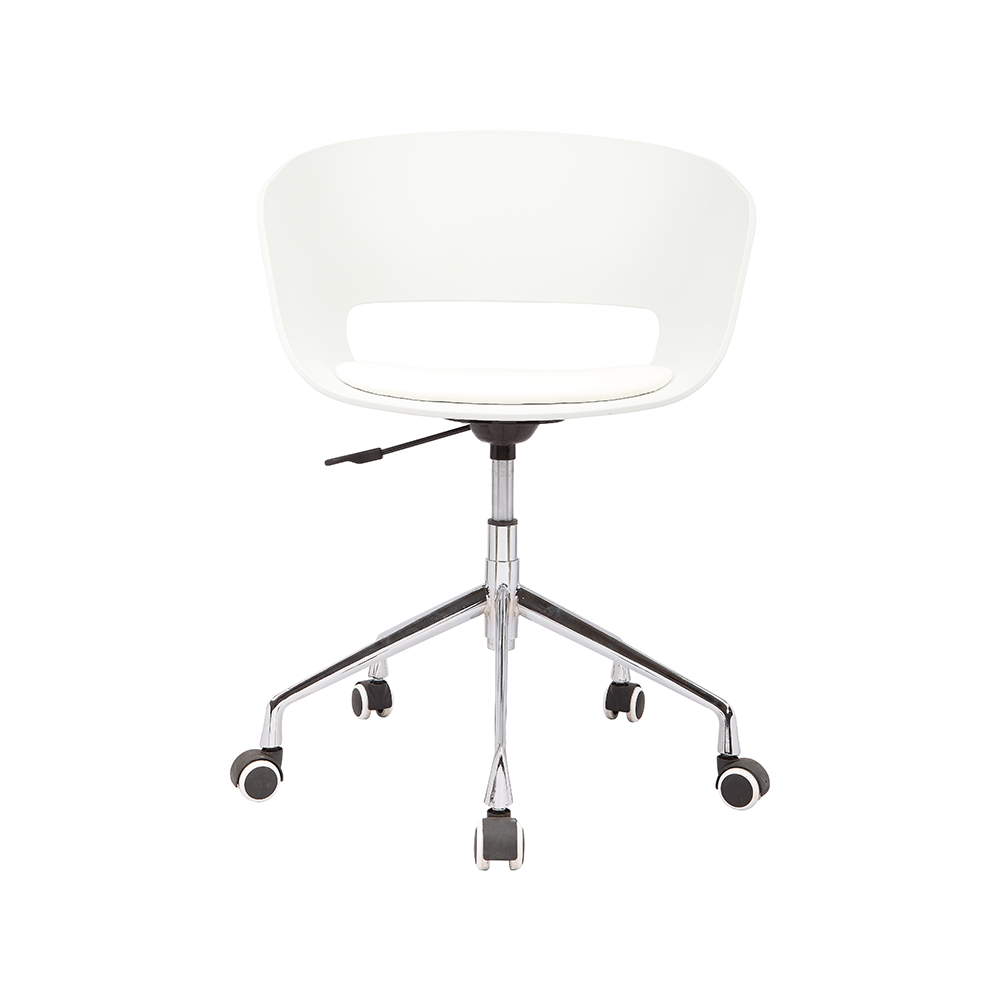
+86-0572-5888031

0
ENG
Ergonomic Chair vs Home Chair: How to Choose the Right One for Your Space
 Home / Media / Industry News / Ergonomic Chair vs Home Chair: How to Choose the Right One for Your Space
 Ergonomic Chair vs Home Chair: How to Choose the Right One for Your Space
 2026.05.15
 Industry News
Content
The Real Difference Between an Ergonomic Chair and a Home Chair
Back pain doesn't care where you sit — but your chair does. Most people buy a chair based on how it looks, then spend months wondering why their lower back aches by 3 p.m. The distinction between an ergonomic chair and a home chair isn't just about price or label; it's about what your body needs based on how long you sit and what you're doing.
An ergonomic chair is built around adjustability and lumbar support. A home chair — whether a leisure chair, accent chair, or lounge seat — is built around comfort, aesthetics, and versatility. Both have a place in your home. The mistake is using one when you actually need the other.
What Makes a Chair Truly Ergonomic
Ergonomics is about matching the chair to your body, not forcing your body to adapt to the chair. According to OSHA's computer workstation guidelines, a properly adjusted chair should allow your feet to rest flat on the floor, thighs parallel to the ground, and knees at roughly a 90-degree angle. Your lower back should be supported in its natural inward curve — not flattened against a hard surface.
The features that actually deliver this are: adjustable seat height, lumbar support that moves with your spine, and armrests that keep your elbows close to your body without raising your shoulders. Seat depth matters too — a pan that's too long presses against the back of your knees and cuts off circulation.
A practical example: the ZY-6812 mesh office chair features a mesh back ergonomic office chair with 3D adjustable armrests and a Class IV gas spring — delivering 450–505 mm of seat height range and a 530 mm seat width. That kind of specification isn't marketing; it's what allows taller and shorter users to both sit correctly at the same desk.
Where Home Chairs Fit In
A home chair serves a different purpose. It's designed for shorter, more relaxed sitting — reading, watching TV, casual conversation, or decorating a living room corner. Comfort here is measured differently: plush cushioning, inviting silhouette, easy maintenance.
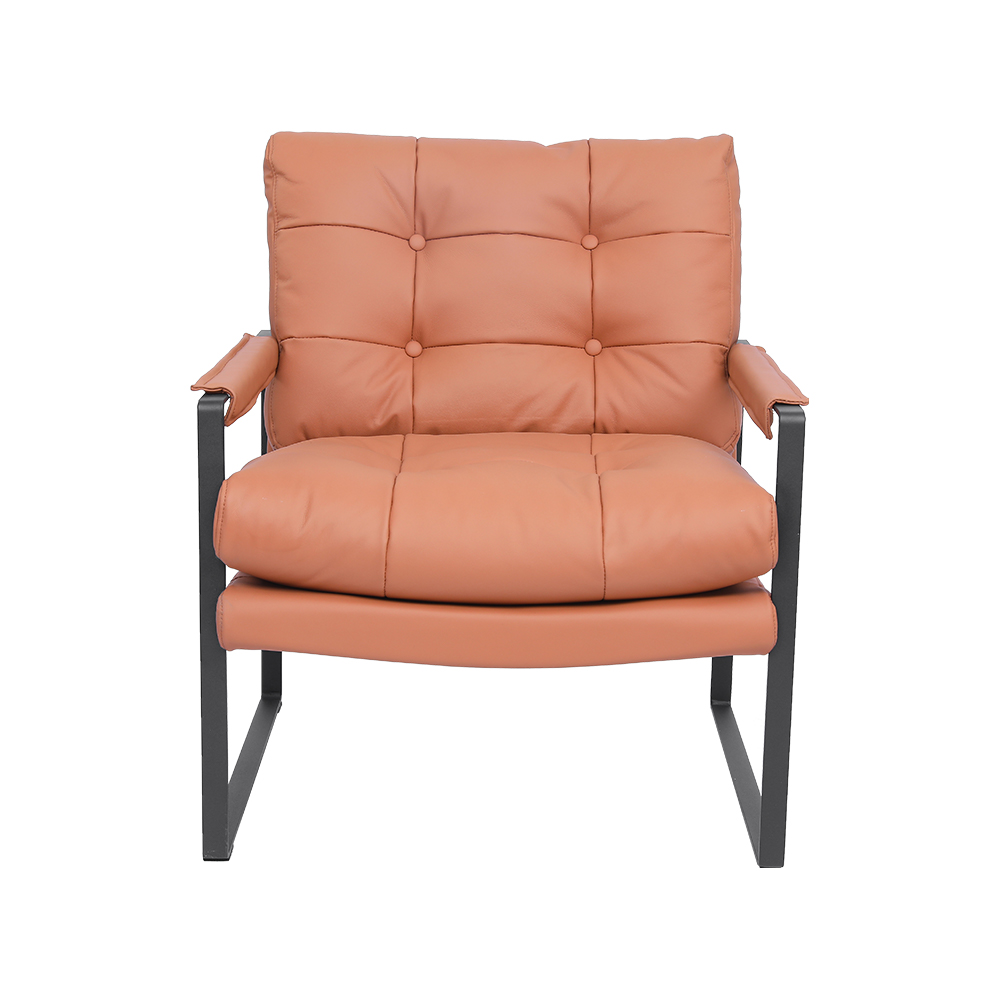
The ZY-7068 leisure chair is a clear example of this category — a PU leather leisure chair with a chromed steel bracket leg and thick foam padding designed for living room use. Its seat height sits at a fixed 440 mm, and its ergonomic curves support natural relaxation posture — ideal for an hour of unwinding, but not designed for eight hours of focused desk work.
Neither chair is "better." They answer different needs. The problem is that remote work blurred the line between work and home, and a lot of people are now working eight-hour days in chairs built for two-hour lounging.
How to Choose: Three Questions That Matter
How many hours a day will you sit in this chair? Under 2–3 hours: a well-padded home chair is fine. Over 4 hours daily: you need adjustable lumbar support and seat height control. Beyond that threshold, a fixed-height leisure chair starts creating the exact muscle imbalances that lead to chronic back and neck pain.
What's the primary activity? Desk work, video calls, and focused tasks require a chair that holds your spine in active alignment. Casual reading, relaxing, or hosting guests call for something softer and more visually inviting — exactly what a well-designed leisure or accent chair delivers.
What's the space? A full ergonomic task chair with a five-star rolling base and adjustable headrest looks out of place in a living room and takes up significant floor space. A sleek leisure chair, on the other hand, can double as a home office chair if your working hours are limited — as long as you aren't sitting in it all day.
Material Choices: Mesh vs Fabric vs PU Leather
Material affects both comfort and longevity in ways people often overlook.
Mesh backs keep you cooler over long sessions by allowing continuous airflow. They're the go-to for task chairs used in warm rooms or by people who run warm. The trade-off: mesh wears unevenly over time if it's low-quality, so look for high-tenacity polyester weaves.
Foam and fabric offer a softer, couch-like feel. Cold-cured foam holds its shape longer than standard foam and is worth prioritizing in home chairs where you want consistent comfort over years. Corduroy and woven fabrics add texture and warmth to a room without sacrificing seat comfort.
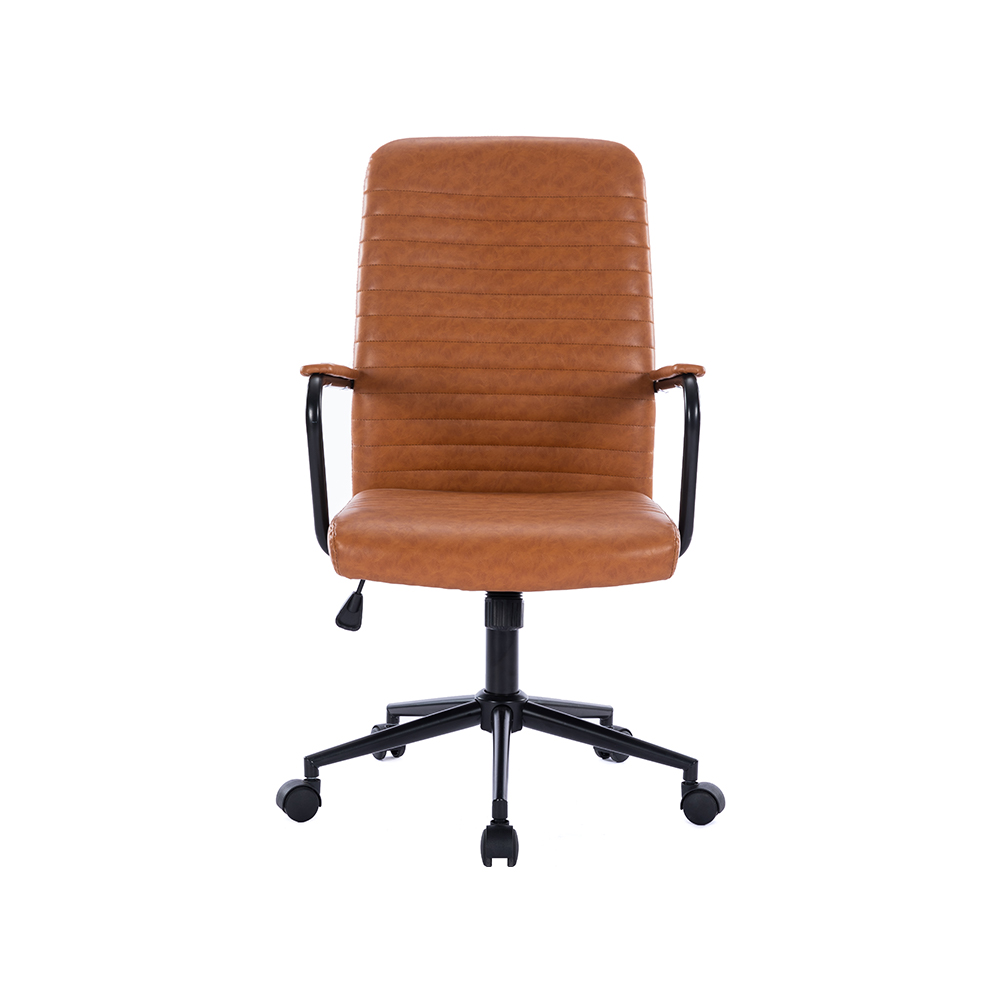
PU leather is the practical middle ground — easy to wipe clean, resistant to everyday spills, and polished enough for both office and home settings. It suits leisure chairs well because those see a wider variety of users and uses. The key is thickness: thin PU peels within a year or two; quality PU maintains its surface integrity significantly longer.
The Setup Mistake Most People Make
Buying a good ergonomic chair and then never adjusting it is essentially buying a bad chair. Research from OSHA's computer workstation guidelines on chair components emphasizes that adjustable features are only effective when they're correctly set for the individual user. A lumbar support in the wrong position does nothing. Armrests set too high force your shoulders upward all day.
When you sit down in any chair — ergonomic or not — check three things first: feet flat on the floor, elbows at roughly 90 degrees when your hands rest on the desk, and the small of your back touching the backrest. If any of those three aren't met, adjust the chair before adjusting your posture. Forcing your body to compensate is exactly how discomfort becomes injury.
And regardless of chair quality, no sitting position is healthy over extended periods without movement. Standing up, stretching, or simply shifting your sitting angle every 30–45 minutes matters as much as the chair itself.
The Bottom Line
An ergonomic chair and a home chair aren't competing products — they're designed for different situations. If you work at a desk for more than four hours daily, invest in a properly adjustable ergonomic chair and actually adjust it to your body. If you need comfortable, attractive seating for the rest of your home, a quality leisure chair built with durable materials and solid construction will serve you well for years. Most households need both. The mistake is assuming one can replace the other.
Explore adjustable ergonomic office chairs for desk work, and browse home leisure chairs for living room comfort to find the right fit for every room.
QUICK LINKS
PRODUCTS
CONTACT & INFORMATION
-
 PHONE NUMBER
 -
 EMAIL
EMAILstellazhang@yimiga.com
-
 ADDRESS
No 366, Jingtu Road, Dipu Street, Anji County, Huzhou City, Zhejiang province, China. PC 313300.
CONNECT WITH US
Be the first to know about our news and updates.


Copyright © Zhejiang Zhongyi Furniture Co., Ltd.
All Rights Reserved.
 浙公网安备33052302000377号
浙ICP备14003933号-2
浙公网安备33052302000377号
浙ICP备14003933号-2
 Wholesale Ergonomic Chair Manufacturers