 English
 عربى
عربى Español
 中文简体
中文简体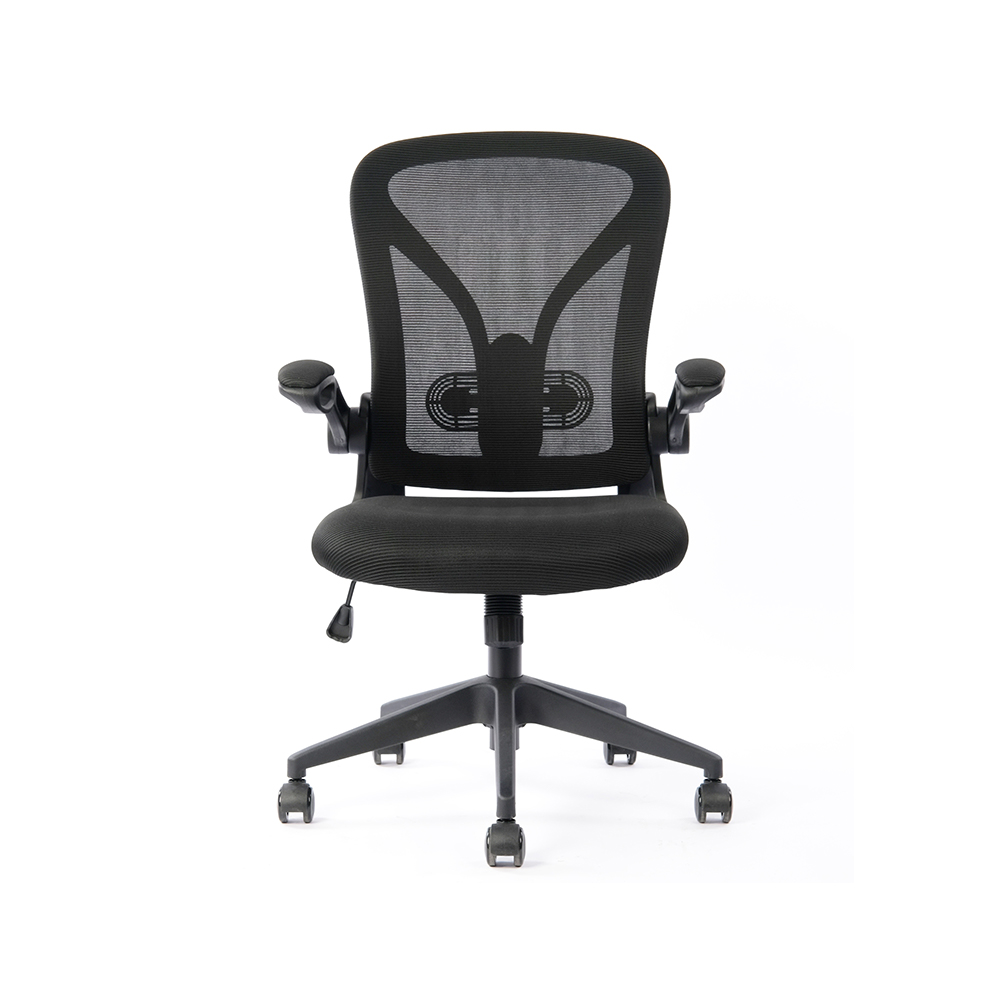
+86-0572-5888031

0
ENG
Ergonomic Chair vs Home Chair: How to Choose the Right Seat for Your Space
 Home / Media / Industry News / Ergonomic Chair vs Home Chair: How to Choose the Right Seat for Your Space
 Ergonomic Chair vs Home Chair: How to Choose the Right Seat for Your Space
 2026.05.20
 Industry News
Content
Lower back pain now accounts for more workplace sick days than the common cold — and the chair you sit in for 8 hours a day is often the direct cause. Choosing between an ergonomic chair and a home chair isn't just about budget or style. It's about understanding what each type actually does for your body, and matching that to how you live and work.
Ergonomic Chair vs. Home Chair: What's Actually Different
A home chair is designed around aesthetics and casual comfort — think padded seats, fixed backrests, and clean lines that complement your décor. An ergonomic chair, by contrast, is engineered around the human spine. The key distinction is adjustability: seat height, lumbar support depth, armrest angle, and recline tension can all be tuned to your body.
According to OSHA's ergonomics guidelines, musculoskeletal disorders (MSDs) are among the most common and costly workplace injuries — and poorly designed seating is a primary contributor. An ergonomic chair isn't a luxury; for anyone sitting more than 4 hours a day, it's a health tool.
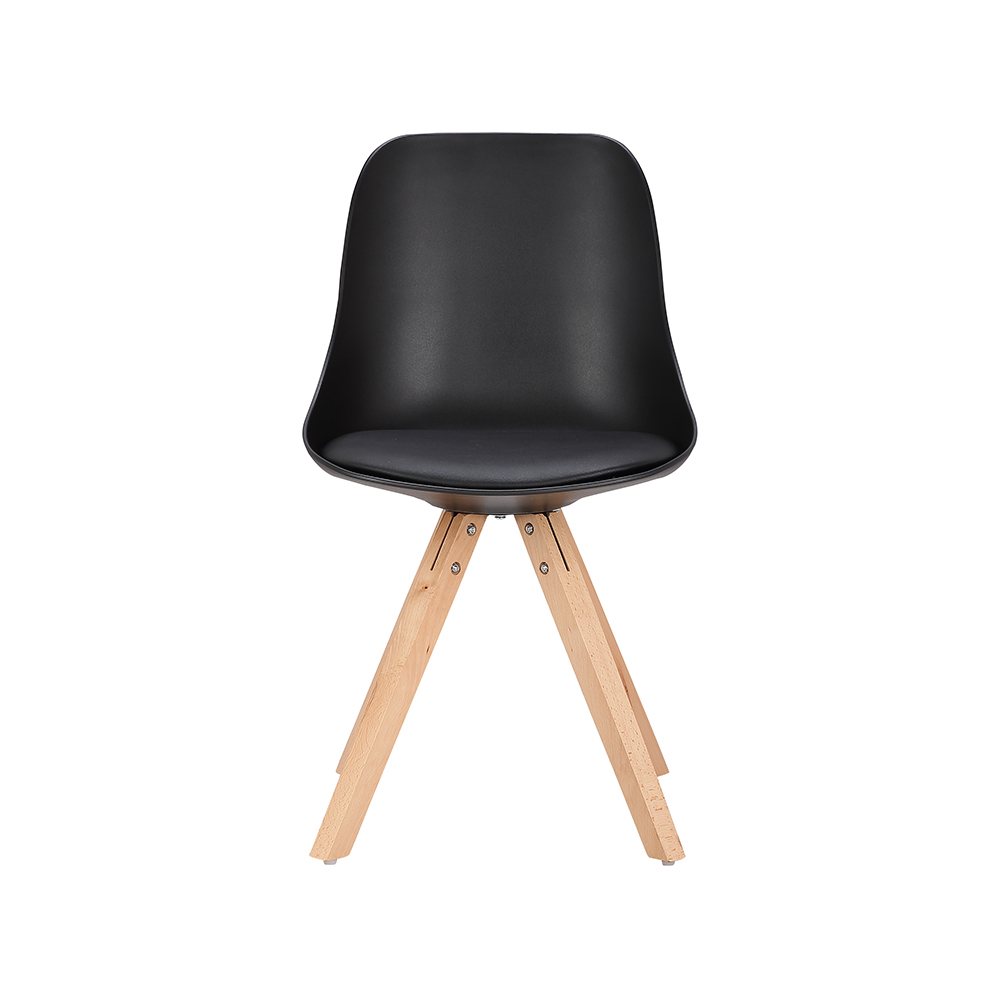
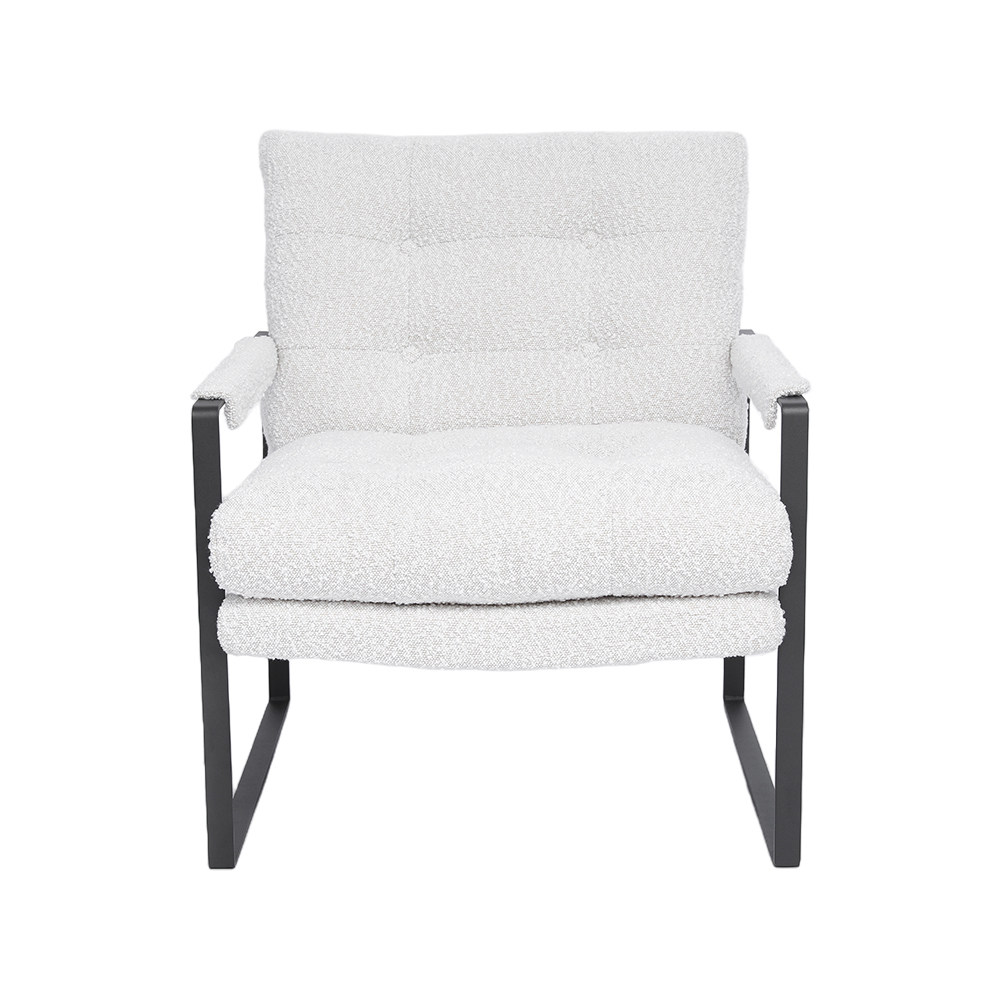
That said, a home chair isn't without value. In dining rooms, reading nooks, or casual workspaces where you're seated for short periods, a well-built leisure or accent chair delivers comfort and style without the complexity of full ergonomic adjustment.
5 Features That Define a Good Ergonomic Chair
Not every chair labeled "ergonomic" deserves the name. Here's what to actually verify before you buy:
- Adjustable lumbar support — Fixed lumbar pads serve the average spine, not yours. Look for a support that moves up and down at minimum. A chair like the ZY-6813 with dedicated lumbar support and 520mm seat width gives both targeted back relief and generous seating space.
- Seat height range of 45–52 cm — This accommodates most adults (160–185 cm tall) with thighs parallel to the floor and feet flat. The ZY-6812 ergonomic office chair, for instance, offers a seat height range of 450–515mm and a 530mm seat width — dimensions that work for a wide range of body types.
- Seat depth adjustment — You should be able to sit fully back against the lumbar support while keeping 5–7 cm of clearance behind your knees. Without this, blood circulation in the legs is restricted after 30–40 minutes.
- 3D or 4D armrests — Armrests that only move up and down still force your shoulders into unnatural positions during typing. The ZY-6812 features 3D arms with soft PU pads, allowing forward, backward, and lateral positioning.
- Recline with tension control — Reclining at 100–110° reduces lumbar disc pressure more than sitting bolt upright. Quality chairs let you lock the position and adjust the resistance to your body weight.
When a Home Chair Is the Right Call
Ergonomic chairs dominate for focused, long-duration work — but they're overkill in certain settings. If you're furnishing a dining space, a guest bedroom desk, or a reading corner, a thoughtfully chosen home chair is the smarter investment.
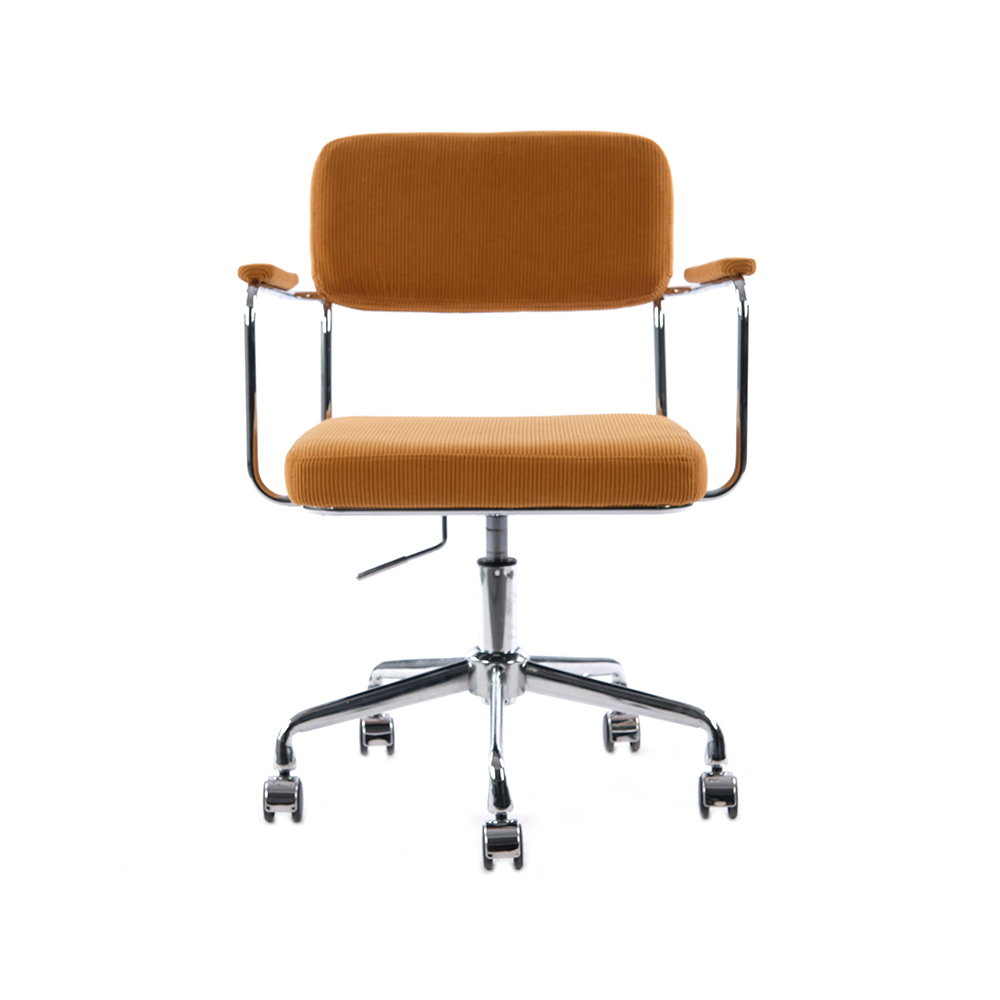
The key factors for a home chair are seat cushion density (high-resilience foam holds its shape longer than standard foam), backrest angle (a fixed 95–100° recline suits most relaxed postures), and frame durability. Fabric and mesh office chairs at this tier can double as home workspace seating without the premium price of full ergonomic models.
One practical benchmark: if you're seated for under 3 hours continuously, a quality home chair with basic lumbar contouring is sufficient. Over 3 hours, the body starts accumulating postural fatigue — and that's where ergonomic adjustment earns its cost.
Material Choices: Mesh, Foam, or Fabric?
| Material | Best For | Watch Out For |
|---|---|---|
| Mesh back | Long hours, warm climates | Less cushioned feel; quality varies widely |
| Molded foam | Contoured support, durability | Can retain heat; heavier |
| Fabric | Home aesthetics, casual use | Harder to clean; less durable under heavy daily use |
| PU leather | Executive look, easy wipe-clean | Can crack over time; less breathable |
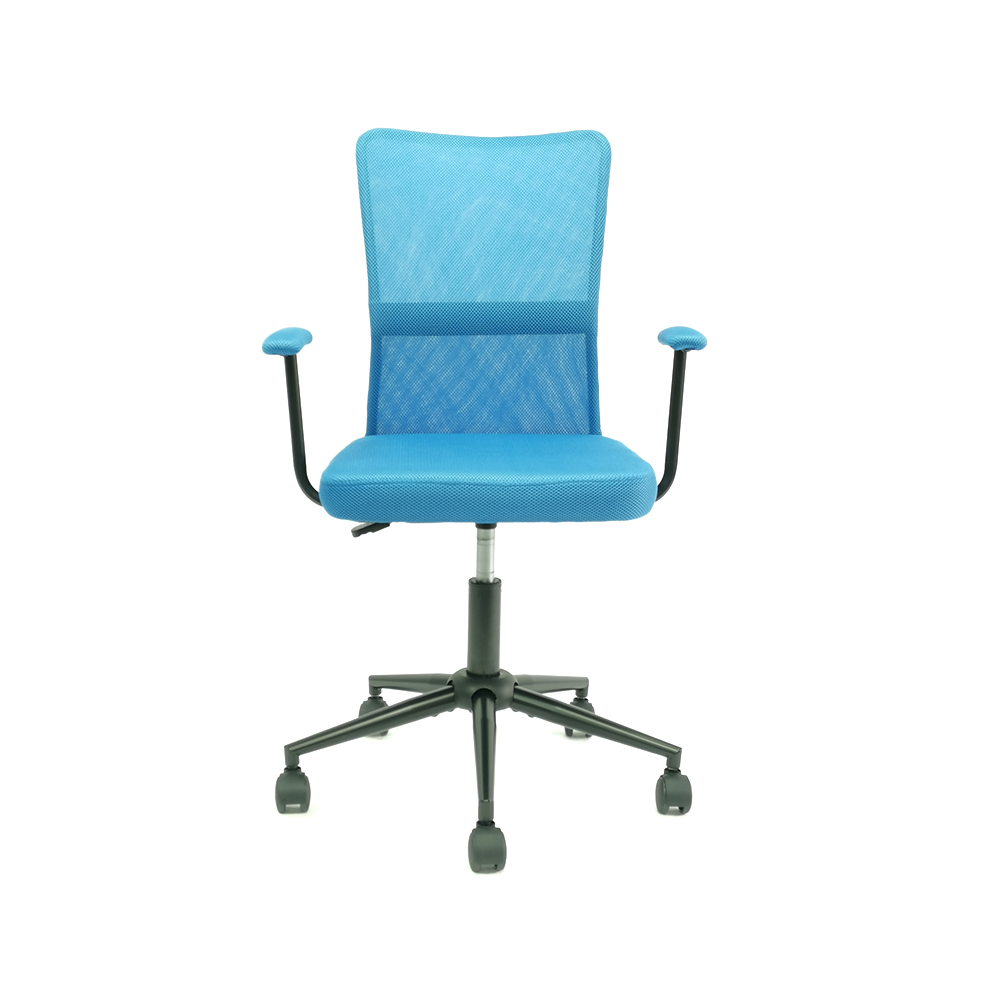
Mesh backs — as seen in chairs like the ZY-6809 mesh office chair — promote airflow and are well-suited to all-day use. Molded foam, used in the ZY-6812, provides a firmer, more structured feel that holds its shape better over years of use. Neither is universally superior — it depends on your workspace temperature and how long you sit each day.
A Quick Decision Framework
Before spending anything, answer these three questions:
- How many hours per day do you sit? Under 3 hours → home chair is fine. Over 3 hours → ergonomic chair is worth the investment.
- Do you already have back, neck, or shoulder discomfort? If yes, adjustable lumbar support and armrests are non-negotiable — go ergonomic.
- Is the chair for one person or multiple users? Shared chairs demand wider adjustment ranges. Single-user chairs can be more precisely spec'd.
The right chair isn't always the most expensive one. It's the one that fits your body dimensions, your daily hours, and the room it's going into. For most home office users combining work and relaxation, a mid-range ergonomic chair with adjustable lumbar and 3D arms covers both needs without overspending on features that go unused.
QUICK LINKS
PRODUCTS
CONTACT & INFORMATION
-
 PHONE NUMBER
 -
 EMAIL
EMAILstellazhang@yimiga.com
-
 ADDRESS
No 366, Jingtu Road, Dipu Street, Anji County, Huzhou City, Zhejiang province, China. PC 313300.
CONNECT WITH US
Be the first to know about our news and updates.


Copyright © Zhejiang Zhongyi Furniture Co., Ltd.
All Rights Reserved.
 浙公网安备33052302000377号
浙ICP备14003933号-2
浙公网安备33052302000377号
浙ICP备14003933号-2
 Wholesale Ergonomic Chair Manufacturers