
 English
 عربى
عربى Español
 中文简体
中文简体


Breathability and Temperature Regulation
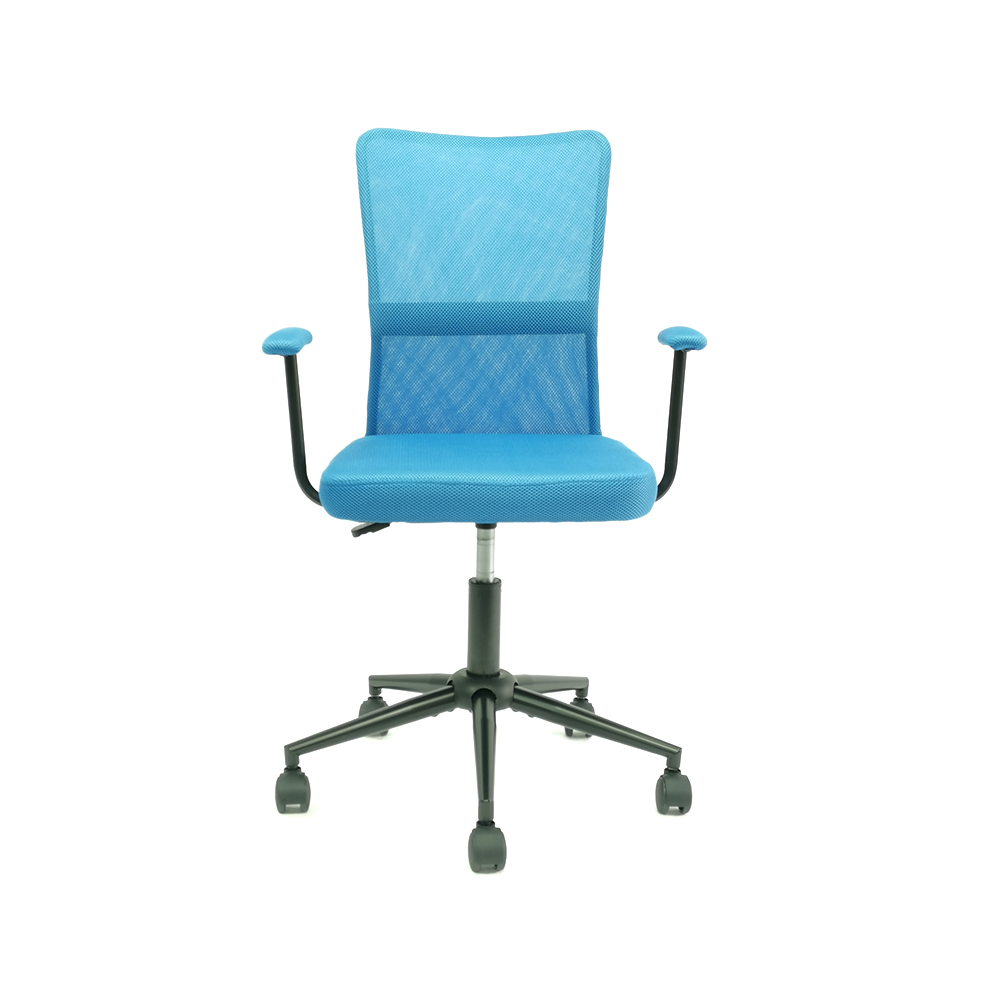
The mesh back is fundamentally engineered for airflow. The porous material allows air to circulate freely between your back and the chair, dissipating heat and moisture. This is a significant advantage for individuals who tend to overheat, work in warmer environments, or spend long hours seated. Enhanced ventilation can reduce sweat buildup, increasing comfort during extended work sessions. A fabric back, while often breathable, does not offer the same degree of convective cooling. Even the most advanced fabrics act as a layer between you and the air, which can trap body heat over time, potentially leading to discomfort.
Support and "Give" Under Pressure
This is a critical functional difference. A high-quality mesh back provides a unique type of dynamic, ergonomic support. It flexes and contours to the shape of your spine, offering consistent, distributed pressure relief. This adaptive quality can reduce pressure points and encourage better sitting posture as your movements are met with slight resistance and rebound. Fabric backs, in contrast, are typically a layer over a solid foam or molded shell. The support comes from the underlying cushion's firmness and shape. While this can be very comfortable and plush, it does not have the same adaptive, tension-based flex. The feel is more static, conforming over time through compression rather than immediate, elastic response.
Key Differences in Support Mechanism
- Mesh: Provides elastic, tensile support. The mesh stretches to cradle the user, offering a "hammock-like" effect that distributes weight evenly across the back's surface area.
- Fabric over Foam: Provides compressive, cushioning support. Comfort is derived from the density and depth of the padding compressing under body weight to form a supportive seat.
Durability and Long-Term Maintenance
Mesh and fabric present different durability profiles. Premium mesh is highly resistant to pilling, fading, and permanent deformation. It won't flatten out like foam can over years of use, maintaining its supportive tension. However, it is vulnerable to damage from sharp objects, and the tension of the mesh can eventually weaken. Fabric upholstery is susceptible to wear patterns, pilling, and staining but is often easier to repair locally. The foam padding beneath can compress permanently, leading to a "flat spot" that reduces support. Maintenance differs greatly: mesh typically requires only vacuuming or wiping with a damp cloth, while fabric often needs specific upholstery cleaners to treat stains and odors.
Aesthetic and Sensory Experience
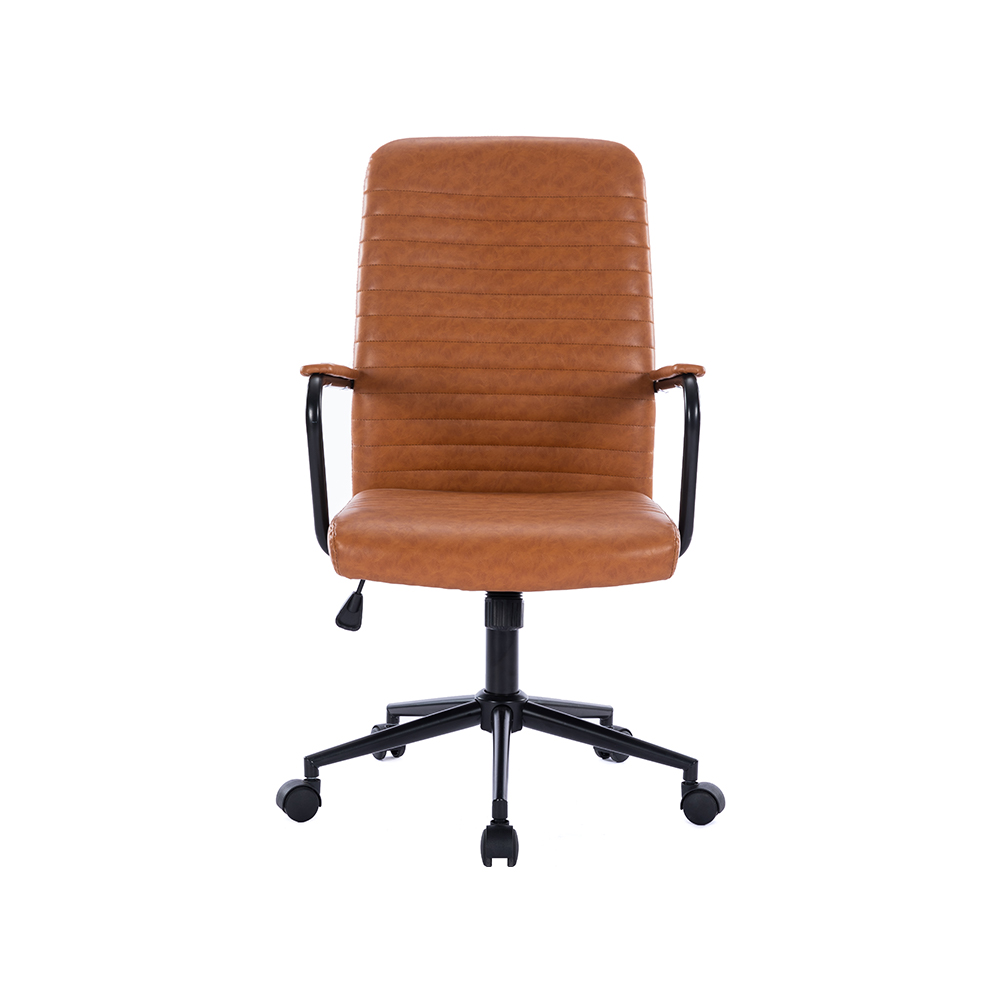
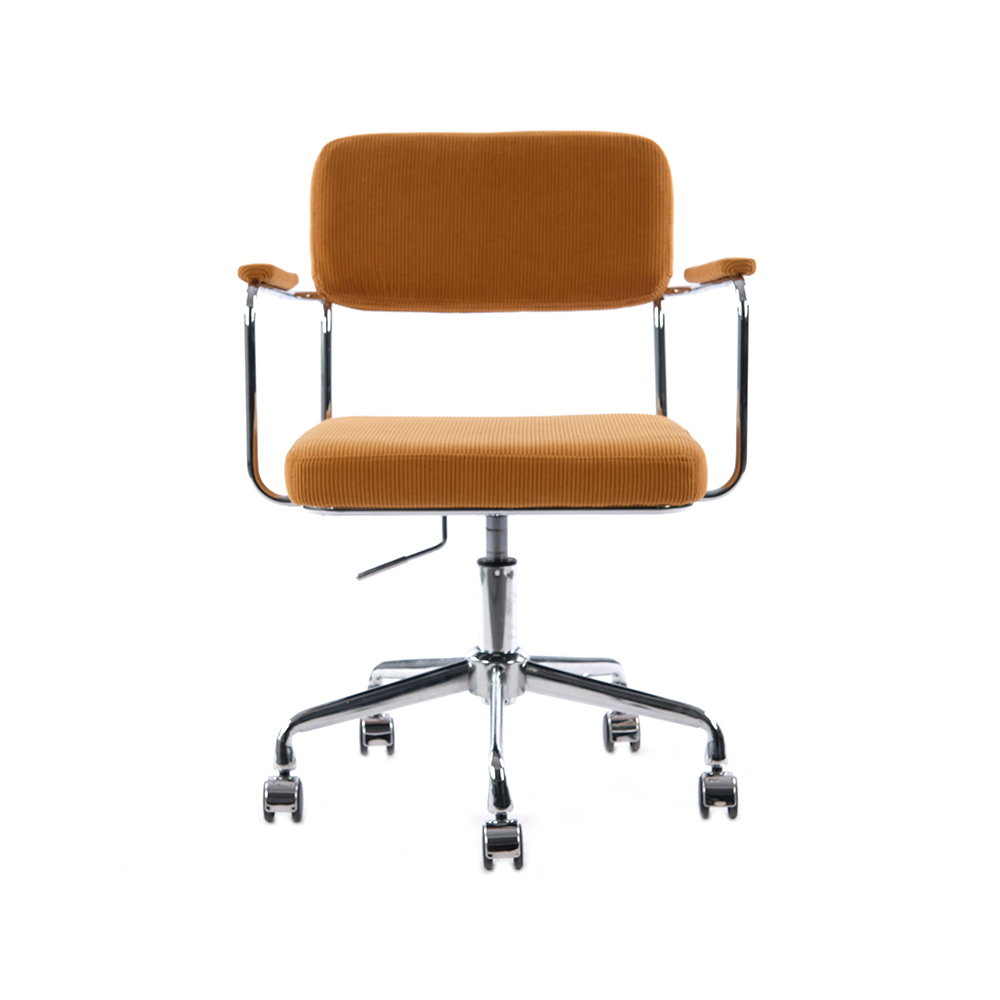
The choice here influences both the office ambiance and personal tactile preference. Mesh backs offer a modern, technical, and often minimalist aesthetic associated with contemporary ergonomic design. They feel cool to the touch and have a distinct, slightly firm elasticity. Fabric backs provide a warmer, softer, and more traditional or residential look and feel. They offer a wide range of colors, textures, and patterns to match office décor precisely. The sensory experience is one of softness and warmth versus cool, structured support.
Comparative Decision Table
| Feature | Mesh Back | Fabric Back |
| Airflow | Excellent; maximizes ventilation. | Moderate; depends on fabric weave. |
| Support Type | Dynamic, elastic tension. | Static, compressive cushioning. |
| Durability Concern | Snags/cuts; mesh fatigue. | Fabric wear; foam compression. |
| Cleaning | Easy wipe-down; less absorbent. | Often requires specialized cleaners. |
| Ideal User | Those who run hot, prefer adaptive support, modern style. | Those who prefer plush softness, warmth, and custom aesthetics. |
Making the Right Choice for Your Needs
The decision is not about which is universally better, but which is better for you. Consider your primary work environment and personal physiology. If temperature control is a constant battle, mesh is the clear frontrunner. For posture, consider if you prefer a chair that actively shapes to you (mesh) or one you sink into (fabric). Evaluate your workspace: is it a formal setting where fabric's elegance fits, or a tech-focused space where mesh's modernity aligns? Ultimately, the best test is a prolonged sit. If possible, try both types for more than a few minutes to feel how your body responds over time, ensuring your adjustable office chairs provides a foundation for true comfort and productivity.


 浙公网安备33052302000377号