 English
 عربى
عربى Español
 中文简体
中文简体
+86-0572-5888031

0
ENG
Indoor Leisure Chair Buying Guide: Style, Comfort & Durability Tips
Indoor Leisure Chair Buying Guide: Style, Comfort & Durability Tips
 2026.07.24
 Industry News
Content
A well-chosen indoor leisure chair transforms an empty corner into your favorite spot at home. Unlike a dining chair or an office task chair, a leisure chair prioritizes prolonged comfort, a relaxed posture, and a deliberate design that anchors the room. The selection, however, can feel overwhelming when you weigh frame materials, cushion fill, upholstery, and visual style. This guide breaks down what actually matters so you can narrow your options with confidence—whether you are furnishing a quiet reading nook, a master bedroom, or a busy living room.
Defining Your Space: Where Will Your Leisure Chair Live?
Before comparing fabrics or leg finishes, pin down the primary location and purpose. A chair that works beautifully in a sunlit bedroom bay window often fails in a high-traffic family room. Matching the chair’s ergonomic profile and visual weight to the room prevents costly mismatches.
Creating a Reading Nook Sanctuary
A reading chair needs to support an upright-but-relaxed posture for hours. High-back silhouettes that cradle the neck, deep seat depths that invite curled-up legs, and an optional matching ottoman make a dramatic difference. Wingback or barrel-style designs naturally enclose the sitter and reduce drafts, while a separate footstool takes pressure off the lower back. Look for a seat height between 16 and 18 inches and armrests padded enough to rest a book without shoulder strain. Our dedicated reading nook lounge chair guide explores these ergonomic details in greater depth.
Living Room Placement and Social Flow
A leisure chair in the main living zone does double duty: it must be inviting for solo relaxation and unobtrusive during gatherings. Low-profile armchairs with open arms or clean-lined barrel chairs maintain sightlines and make conversation easier. Scale matters critically here. Measure the floor area before ordering; a chair with a footprint beyond 35 inches square can dominate a smaller room. Swivel bases add flexibility but also introduce an extra mechanical element to evaluate for long-term durability. Stick to upholstery that resists pilling and cleans easily—textured polyester blends and top-grain bonded leathers hold up better than delicate velvets in family environments.
Comfort Engineering: Materials That Matter
Comfort is not just a subjective feeling; it is a direct result of the chair’s internal architecture. Three layers—frame, cushion fill, and surface upholstery—work together, and a weak link in any one of them cuts the chair’s useful life short.
Frame Strength and Joinery
The frame is the skeleton. Kiln-dried hardwood, commonly beech or ash, resists warping and splitting far better than particleboard or soft pine. Joints reinforced with corner blocks, double dowels, or mortise-and-tenon construction prevent the telltale wobble that emerges after a year of use. Metal frames, particularly steel with a powder-coated finish, offer slim profiles and high weight capacity—ideal for modern or industrial interiors. Always verify that the frame carries at least a five-year structural warranty; it signals the manufacturer’s confidence in the joinery.
Upholstery: Balancing Touch, Look, and Upkeep
PU leather remains a top choice for households that value easy maintenance. Modern high-quality PU resists cracking, wipes clean with a damp cloth, and delivers a supple hand feel comparable to genuine leather at a fraction of the cost. Fabric options like performance weaves and high-rub-count polyester handle pet claws and daily wear while offering broader color palettes. For a luxe accent piece, linen-blend fabrics breathe well in warm climates, but they typically require professional cleaning. If you are evaluating how to choose a lounge chair built to last, prioritize rub counts above 50,000 for fabric and transparently disclosed thickness (often 1.2–1.4 mm) for PU leather.
Fill and Cushioning: The Real Comfort Driver
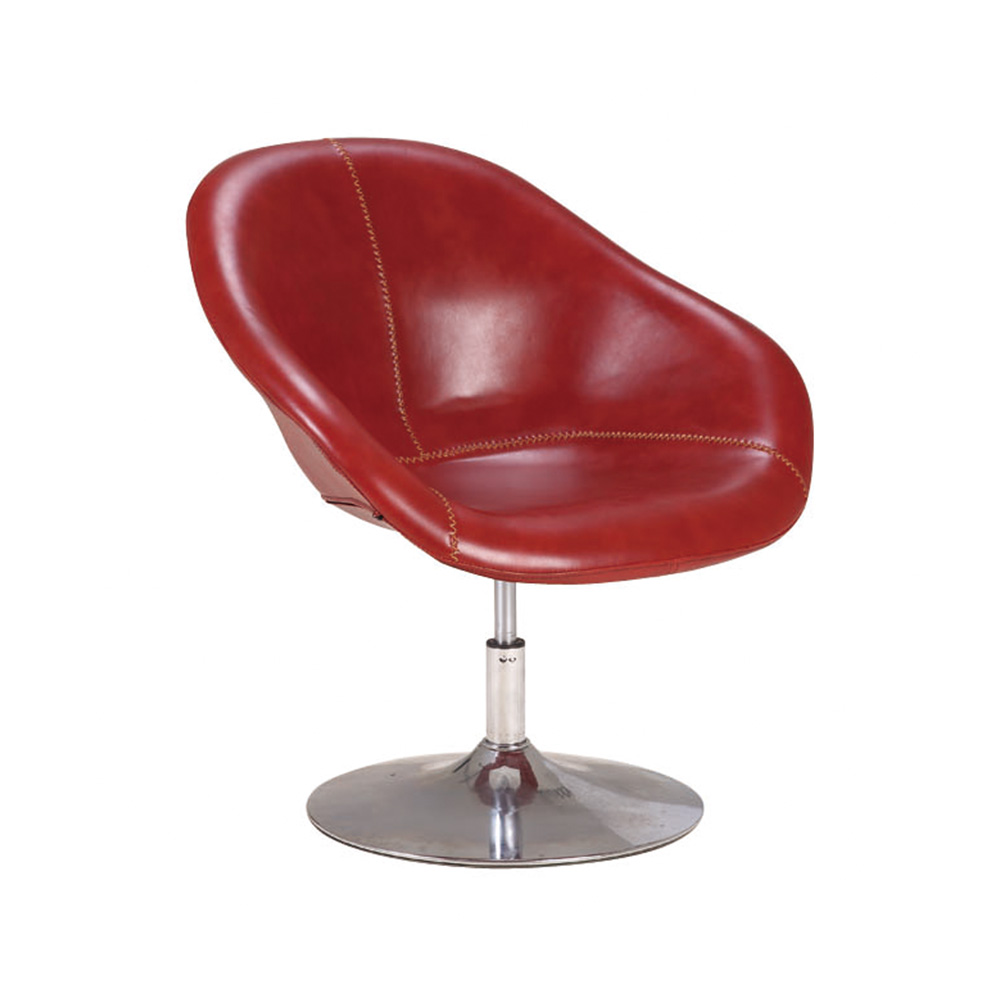
High-resilience (HR) foam with a density of 2.0 lb/ft³ or higher retains its shape for years, providing firm, even support that doesn’t bottom out. Memory foam adds a slow-recovery, enveloping sensation but can trap heat; often the best designs layer a memory foam topper over a high-density core. Down-wrapped foam cushions introduce an initial plushness but require regular fluffing to maintain their loft. For a balanced example, this PU leather indoor lounge chair (Item No. ZY7086) uses a calibrated foam composition that targets durable comfort without excessive sink. Choose a fill system that matches how you sit: firm for active reading, plush for afternoon naps.
Styling Your Selection: From Modern to Industrial
A leisure chair is often a room’s focal point, not an afterthought. The finish, leg shape, and silhouette should converse with your existing décor. Combining different leisure chairs for a cohesive look can elevate the entire space when you understand a few design principles.
Modern and Minimalist Spaces
Look for clean lines, thin tapered legs in black or brushed brass, and upholstery in solid, saturated colors. A low-back lounge chair with a subtly curved shell introduces soft geometry without clutter. Stick to a monochromatic palette or a single bold accent hue to maintain the calm that defines modern interiors.
Industrial and Retro-Inspired Rooms
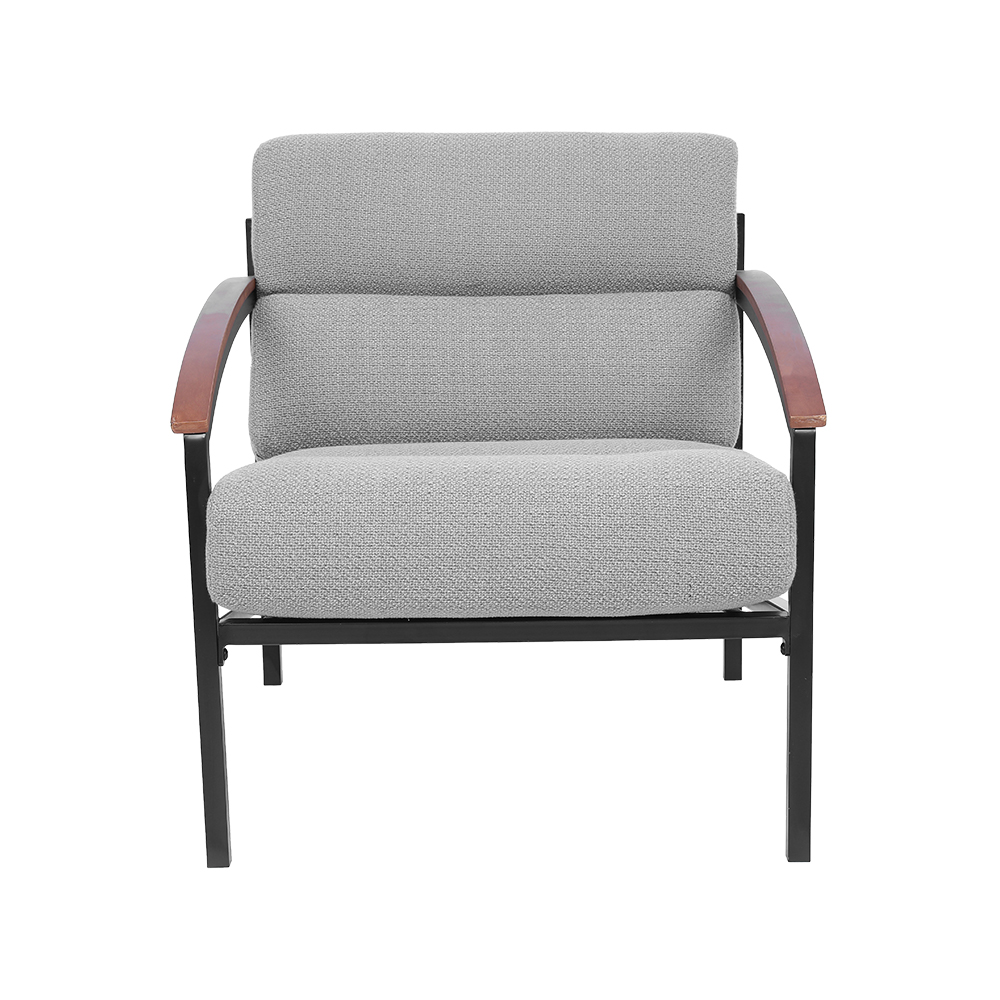
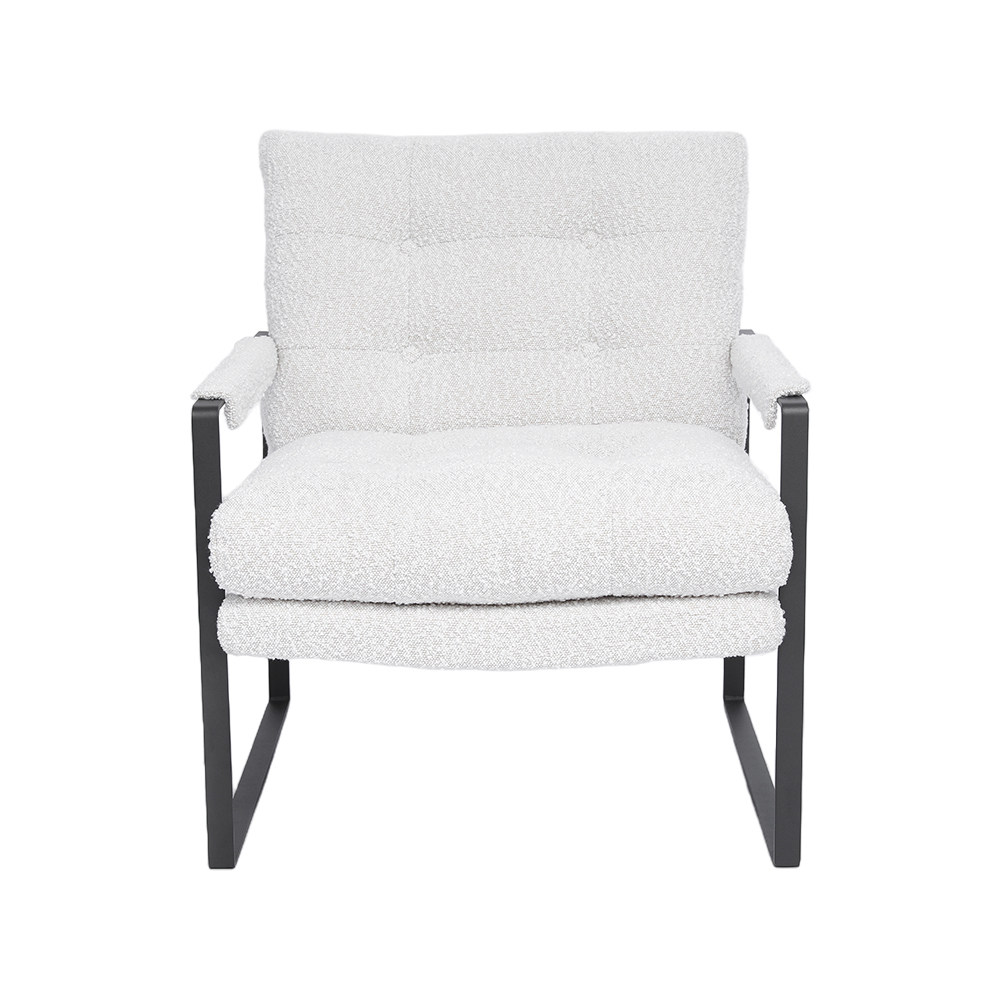
Exposed metal frames, rivet details, and leather or aged-look PU define this category. Chairs that mix blackened steel with warm wood arm caps bridge rugged and refined. For an industrial touch, this metal-frame leisure chair (ZY7081) pairs a sturdy geometric frame with plush upholstery, making it a natural fit for loft apartments or basement dens.
Making the Final Decision: A Practical Checklist
Armed with the criteria above, you can quickly rule out options that won’t hold up. Before you buy, confirm these five points:
- Overall seat depth and height match your body dimensions; a chair that is too deep strains the lower back, and one too shallow offers no thigh support.
- Frame material and warranty align with your durability expectations—solid hardwood or reinforced steel are non-negotiable for a ten-year furniture piece.
- Upholstery meets your cleaning reality: if you have kids or pets, skip raw linens and delicate velvets in favor of performance fabrics or PU leather.
- The visual weight of the chair suits the room; a chunky club chair overwhelms a small bedroom, while a spindly accent chair looks lost in a grand living room.
- Return policy and assembly requirements are clear. Some upholstered chairs ship fully assembled; others require basic leg attachment.
When each of these boxes is ticked, you are not just purchasing a chair—you are investing in a daily retreat that endures.
QUICK LINKS
PRODUCTS
CONTACT & INFORMATION
-
 PHONE NUMBER
 -
 EMAIL
EMAILstellazhang@yimiga.com
-
 ADDRESS
No 366, Jingtu Road, Dipu Street, Anji County, Huzhou City, Zhejiang province, China. PC 313300.
CONNECT WITH US
Be the first to know about our news and updates.


Copyright © Zhejiang Zhongyi Furniture Co., Ltd.
All Rights Reserved.
 浙公网安备33052302000377号
浙ICP备14003933号-2
浙公网安备33052302000377号
浙ICP备14003933号-2
 Wholesale Ergonomic Chair Manufacturers