 English
 عربى
عربى Español
 中文简体
中文简体
+86-0572-5888031

0
ENG
The Ultimate Guide to Choosing Ergonomic Chairs for Comfort and Productivity
 Home / Media / Industry News / The Ultimate Guide to Choosing Ergonomic Chairs for Comfort and Productivity
 The Ultimate Guide to Choosing Ergonomic Chairs for Comfort and Productivity
 2026.01.23
 Industry News
Content
- 1 Why Ergonomic Chairs Matter for Your Health
- 2 Key Features of Ergonomic Chairs
- 3 Materials and Build Quality
- 4 How Ergonomic Chairs Improve Posture and Productivity
- 5 Tips for Choosing the Right Ergonomic Chair
- 6 Popular Types of Ergonomic Chairs
- 7 Maintaining Your Ergonomic Chair for Longevity
- 8 Conclusion
Why Ergonomic Chairs Matter for Your Health
Ergonomic chairs are designed to support your body’s natural posture and reduce strain during long hours of sitting. Unlike standard office chairs, ergonomic models focus on providing adjustable features that adapt to different body types and work environments. Investing in an ergonomic chair can prevent back pain, neck tension, and repetitive strain injuries, improving overall productivity and comfort in both home and office settings.
Key Features of Ergonomic Chairs
When selecting an ergonomic chair, it is essential to look for specific features that provide comprehensive support. These features enhance comfort, flexibility, and long-term health benefits.
Adjustable Seat Height
A proper ergonomic chair allows users to adjust the seat height so that feet rest flat on the floor, knees are at a 90-degree angle, and thighs are parallel to the ground. This adjustment helps maintain proper circulation and reduces pressure on the lower back.
Lumbar Support
Lower back support is crucial to prevent slouching and reduce spinal strain. Ergonomic chairs typically include built-in lumbar cushions or adjustable lumbar supports that conform to the natural curve of the spine.
Seat Depth and Width
A chair with adjustable seat depth allows users to sit comfortably while maintaining proper support for the thighs. Adequate seat width ensures freedom of movement and accommodates different body sizes without feeling restricted.
Armrest Adjustability
Armrests should support the elbows and forearms while keeping shoulders relaxed. Adjustable armrests can move up, down, or sideways to align with desk height, reducing shoulder and neck tension.
Reclining and Tilt Mechanisms
Reclining features allow users to change postures throughout the day, which reduces static muscle fatigue. Tilt mechanisms should be easy to adjust to support a slight recline that promotes spinal health and comfort.
Materials and Build Quality
The durability and comfort of an ergonomic chair depend on the materials used in its construction. High-density foam, mesh seating, and reinforced frames are popular choices that balance comfort, airflow, and long-term support. Chairs with breathable mesh provide better ventilation, preventing discomfort during extended periods of sitting.
How Ergonomic Chairs Improve Posture and Productivity
Using an ergonomic chair encourages proper posture by supporting the spine and reducing strain on muscles and joints. Maintaining good posture increases energy levels, reduces fatigue, and improves concentration. Employees or remote workers who invest in ergonomic seating often report higher productivity and fewer discomfort-related breaks throughout the day.
Tips for Choosing the Right Ergonomic Chair
Selecting the perfect ergonomic chair involves considering your body type, workspace, and intended usage. Here are practical tips for making an informed choice:
- Measure your desk height and workspace to ensure the chair fits comfortably.
- Test the chair in person, if possible, to evaluate comfort and adjustability.
- Check the warranty and build quality for long-term reliability.
- Prioritize lumbar support and adjustable features over aesthetic design.
- Consider chairs with breathable materials for better airflow and comfort.
Popular Types of Ergonomic Chairs
Ergonomic chairs come in a variety of designs to accommodate different preferences and work environments. Choosing the right type ensures both comfort and support.
Mesh Chairs
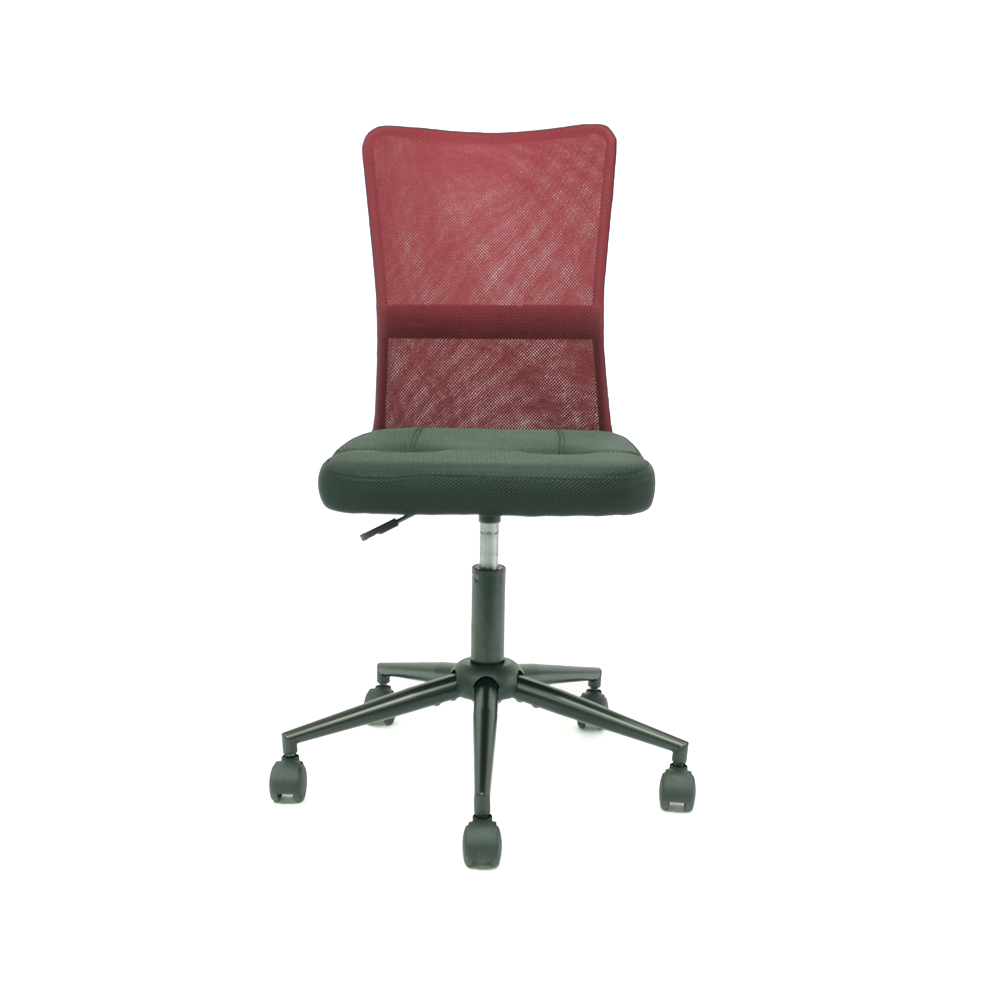
Mesh ergonomic chairs provide excellent breathability, keeping the user cool during long hours. They often include adjustable lumbar support and multiple reclining options, making them suitable for high-intensity office work.
Executive Chairs
Executive ergonomic chairs are larger, heavily padded, and designed for maximum comfort. They are ideal for individuals who spend extended periods at their desks and prefer a luxurious feel along with full-body support.
Task Chairs
Task chairs are compact and lightweight, providing essential ergonomic features for short-term use or flexible office spaces. Adjustable seat height, armrests, and tilt mechanisms are common in this category.
Maintaining Your Ergonomic Chair for Longevity
Proper maintenance ensures your ergonomic chair continues to provide optimal support and comfort. Regular cleaning, checking for loose screws, and inspecting moving parts prevent wear and tear. Lubricating adjustable components and keeping the chair away from direct sunlight or moisture can extend its lifespan significantly.
Conclusion
Investing in a quality ergonomic chair is a practical decision for anyone looking to improve comfort, posture, and productivity. By selecting chairs with adjustable features, proper lumbar support, and durable materials, users can enjoy long-term health benefits while enhancing their work efficiency. Whether for home offices or corporate environments, the right ergonomic chair is a cornerstone of a healthier, more productive workspace.
QUICK LINKS
PRODUCTS
CONTACT & INFORMATION
-
 PHONE NUMBER
 -
 EMAIL
EMAILstellazhang@yimiga.com
-
 ADDRESS
No 366, Jingtu Road, Dipu Street, Anji County, Huzhou City, Zhejiang province, China. PC 313300.
CONNECT WITH US
Be the first to know about our news and updates.


Copyright © Zhejiang Zhongyi Furniture Co., Ltd.
All Rights Reserved.
 浙公网安备33052302000377号
浙ICP备14003933号-2
浙公网安备33052302000377号
浙ICP备14003933号-2
 Wholesale Ergonomic Chair Manufacturers