 English
 عربى
عربى Español
 中文简体
中文简体
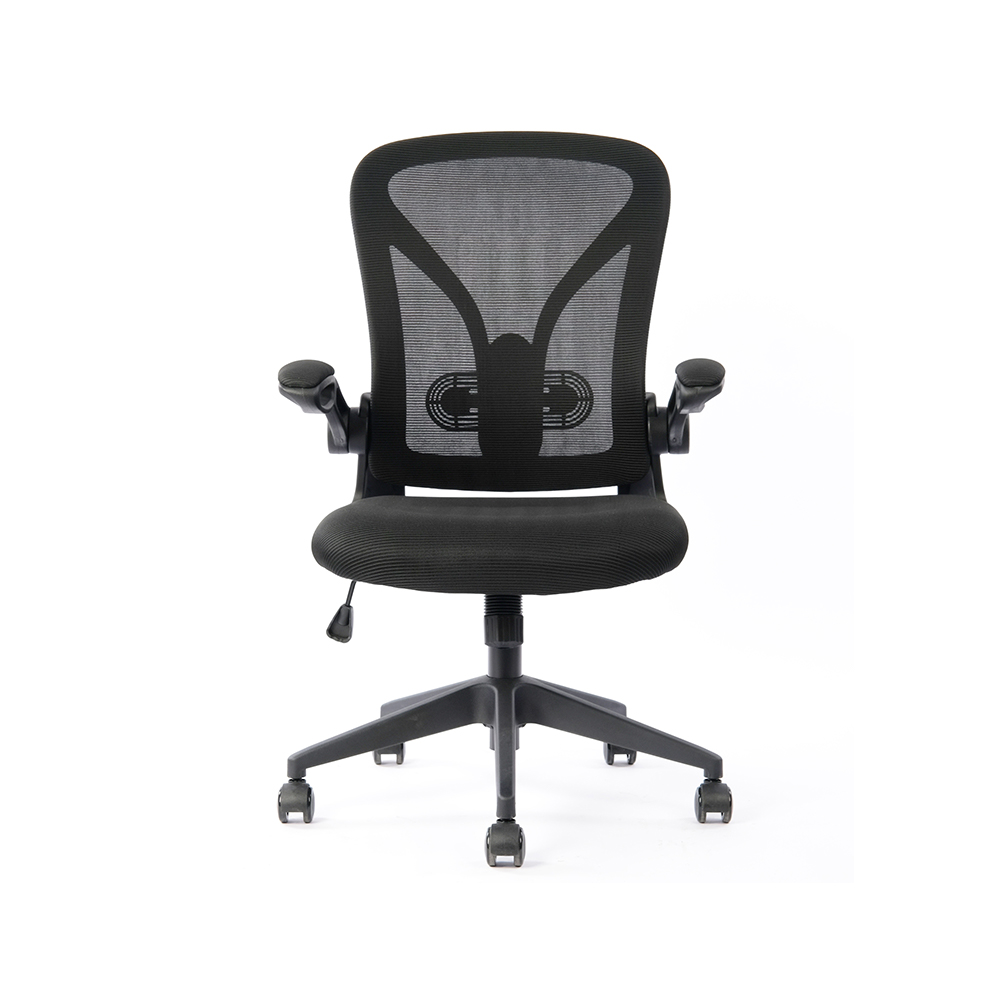
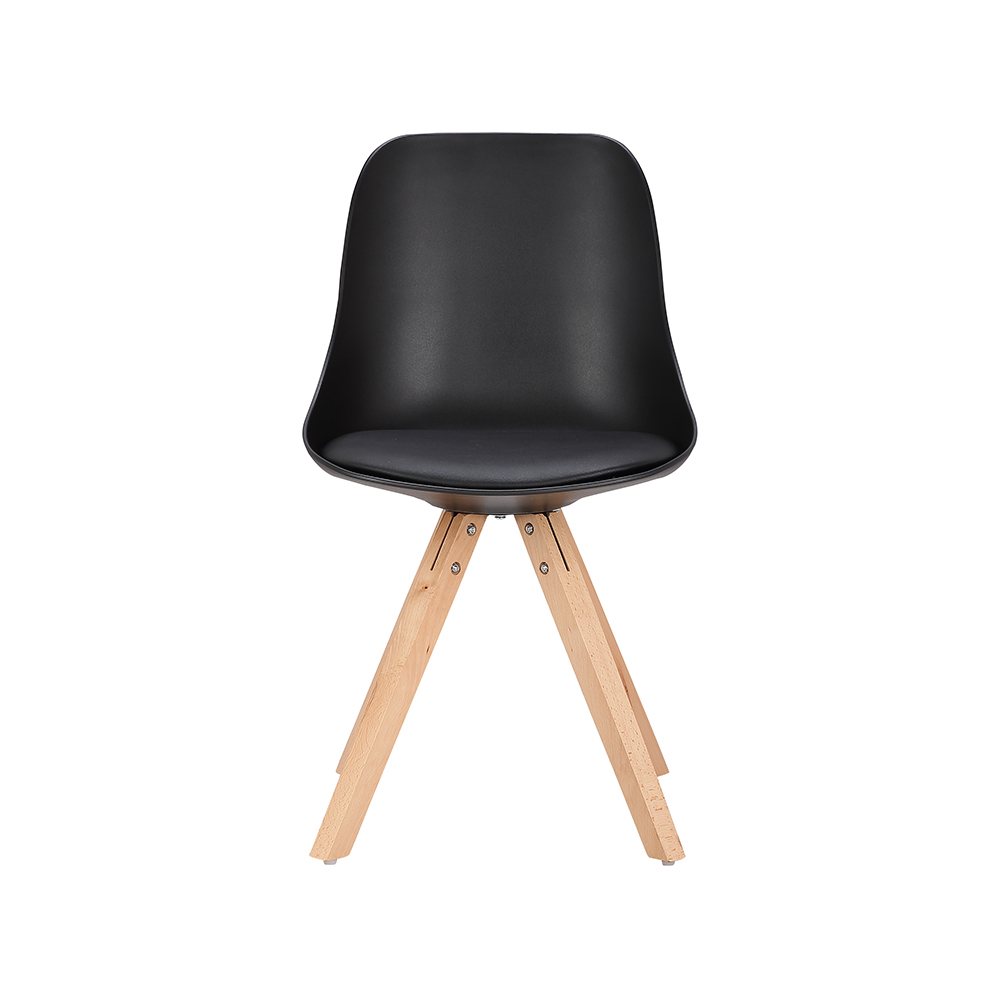
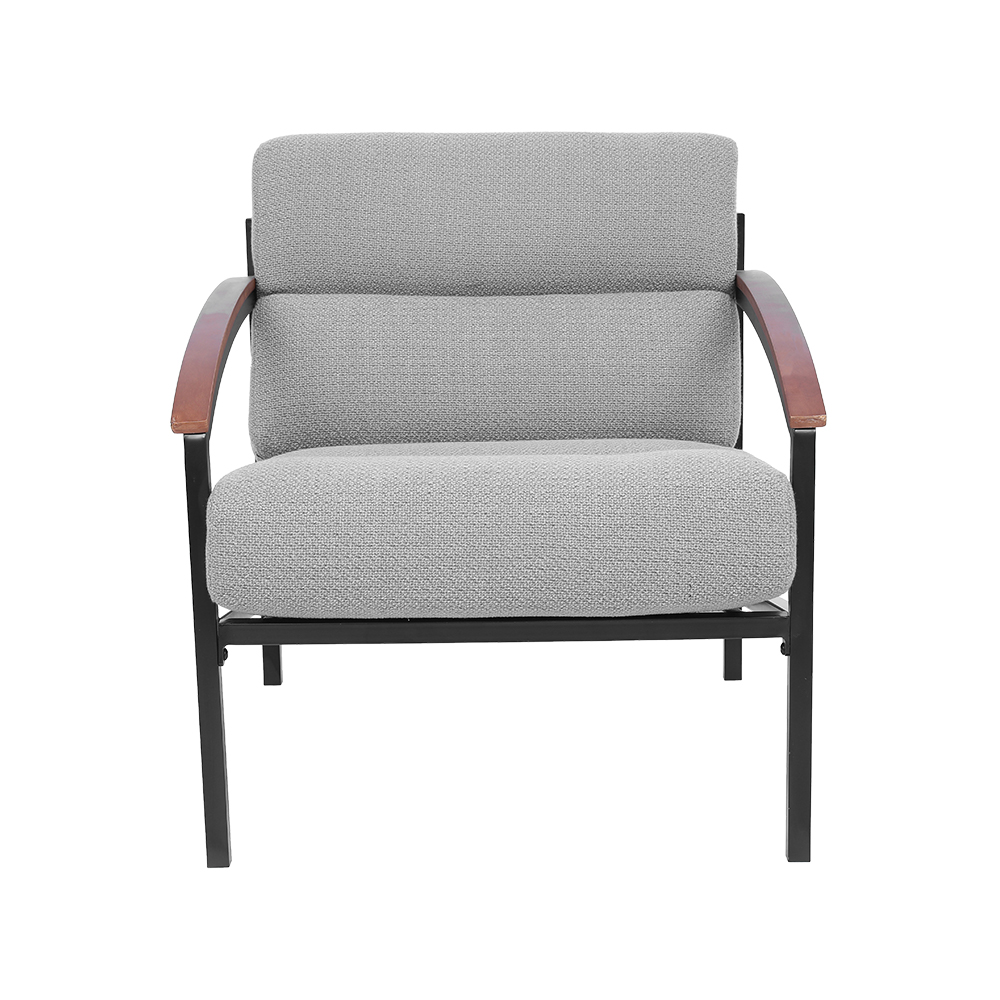
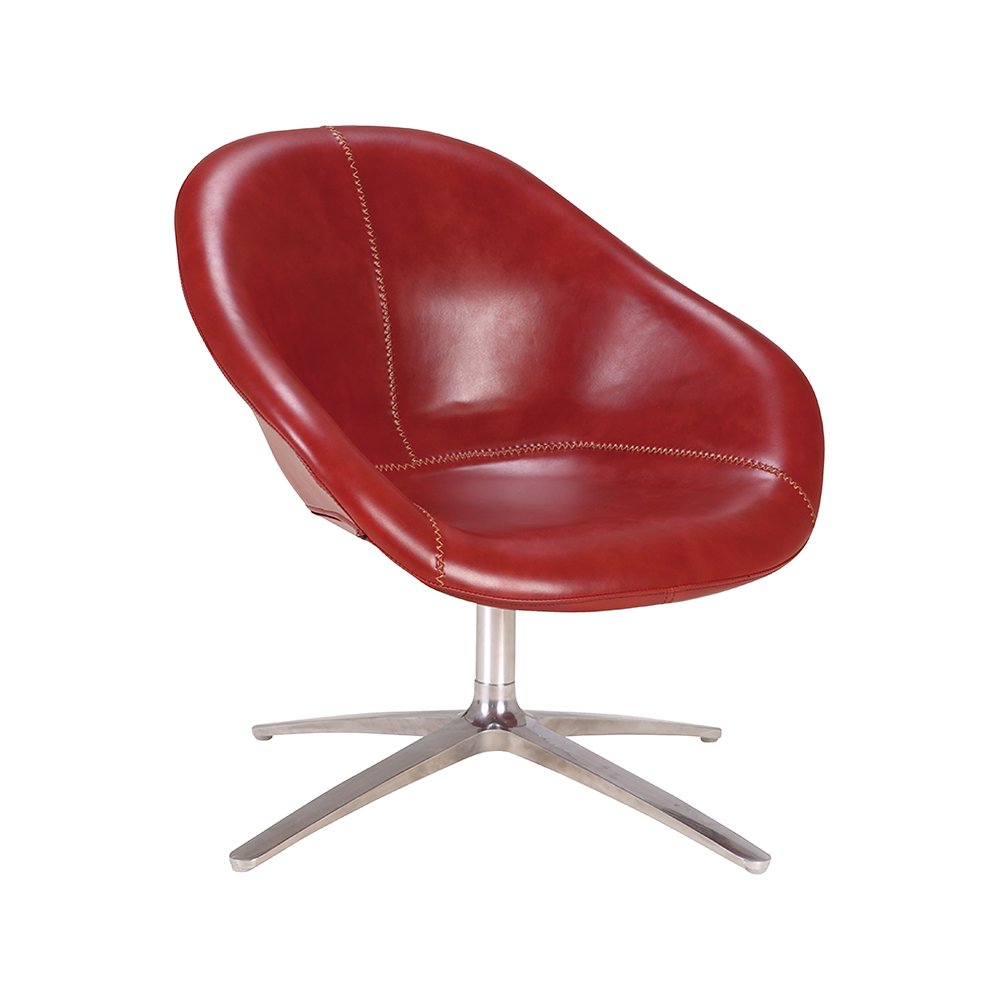
+86-0572-5888031

0
ENG
Bar Chairs: Complete Guide to Styles, Heights & Selection Tips
Bar Chairs: Complete Guide to Styles, Heights & Selection Tips
 2026.02.20
 Industry News
Content
- 1 Understanding Bar Chair Heights and Measurements
- 2 Popular Bar Chair Styles and Design Options
- 3 Material Selection for Durability and Maintenance
- 4 Backrest and Footrest Considerations
- 5 Swivel Versus Stationary Base Options
- 6 Weight Capacity and Structural Integrity
- 7 Spacing Requirements and Quantity Planning
- 8 Comfort Features for Extended Sitting
- 9 Budget Considerations and Price Ranges
- 10 Maintenance and Care Guidelines
- 11 Safety Features and Stability Testing
- 12 Matching Bar Chairs to Interior Design Themes
- 13 Commercial Versus Residential Requirements
- 14 Customization and Personalization Options
- 15 Environmental and Sustainability Considerations
Bar chairs serve as elevated seating solutions designed specifically for bar-height counters and tables, typically ranging from 28 to 32 inches in seat height. These versatile pieces combine functionality with style, transforming kitchen islands, home bars, and commercial spaces into comfortable gathering spots that encourage conversation and casual dining.
Whether you're furnishing a contemporary kitchen or designing a commercial establishment, understanding the nuances of bar chair selection—from proper height measurements to material durability—ensures you make an investment that balances comfort, aesthetics, and longevity.
Understanding Bar Chair Heights and Measurements
The most critical factor in selecting bar chairs is achieving the correct height relationship between your seating and counter surface. The ideal clearance between the seat and counter top should be 9 to 13 inches, allowing comfortable legroom and easy movement.
| Counter Type | Counter Height | Recommended Seat Height | Chair Type |
|---|---|---|---|
| Kitchen Counter | 36 inches | 24-26 inches | Counter Stool |
| Bar Counter | 40-42 inches | 28-30 inches | Bar Stool |
| Extra-Tall Bar | 44-47 inches | 33-36 inches | Extra-Tall Stool |
Before purchasing, measure your counter height from floor to top surface and subtract 10 to 12 inches to determine your ideal seat height. For adjustable-height bars or multi-purpose spaces, consider pneumatic lift stools that offer height adjustment ranges of 6 to 10 inches.
Popular Bar Chair Styles and Design Options
Bar chairs have evolved far beyond basic functional seating, now offering diverse styles that complement any interior design scheme.
Modern and Contemporary Designs
Characterized by clean lines, minimalist silhouettes, and innovative materials, modern bar chairs often feature metal frames, molded plastic seats, or sleek upholstery. Popular examples include Eames-inspired molded chairs and Scandinavian-style wooden designs with tapered legs. These styles work exceptionally well in open-concept kitchens and urban loft spaces.
Industrial Bar Chairs
Featuring exposed metal frames, distressed wood seats, and raw finishes, industrial bar chairs bring warehouse-chic aesthetics to residential and commercial spaces. Many incorporate reclaimed wood paired with wrought iron or steel bases, creating conversation pieces that emphasize authenticity and durability.
Traditional and Classic Styles
Traditional bar chairs often showcase turned wood legs, upholstered seats with nailhead trim, and curved backs reminiscent of classic Windsor or ladder-back chairs. These designs suit formal dining areas, traditional kitchens, and establishments seeking timeless elegance.
Transitional Options
Blending traditional comfort with contemporary simplicity, transitional bar chairs offer neutral color palettes, subtle curves, and versatile designs that adapt to changing decor. These represent the fastest-growing segment in residential furniture, appealing to homeowners seeking flexibility.
Material Selection for Durability and Maintenance
The materials used in bar chair construction directly impact longevity, maintenance requirements, and overall user experience.
Frame Materials
- Metal frames (steel or aluminum): Offer superior weight capacity (up to 300 pounds), require minimal maintenance, and provide excellent stability for commercial use
- Solid wood frames: Deliver classic aesthetics and warmth but require periodic refinishing; hardwoods like oak and maple support 250-275 pounds comfortably
- Engineered wood and plywood: Cost-effective alternatives that work well in low-traffic residential settings, typically supporting 200-225 pounds
- Composite materials and plastic: Lightweight, weather-resistant options ideal for outdoor bars or poolside settings
Seat and Backrest Materials
Upholstered seats provide superior comfort for extended sitting but demand more maintenance. Performance fabrics treated with stain-resistant coatings have increased the viability of upholstered bar chairs in high-traffic areas, offering cleanability that rivals leather at lower price points.
Leather and faux leather combine elegance with practicality—genuine leather develops character over time while requiring conditioning every 6-12 months, whereas vinyl alternatives offer easier maintenance with similar aesthetics. Wood seats, whether solid or molded plywood, deliver durability and timeless appeal but may require cushions for comfort during prolonged use.
Backrest and Footrest Considerations
The presence and design of backrests and footrests significantly affect both comfort and space utilization.
Backrest Options
Backless stools maximize space efficiency and allow 360-degree rotation, making them ideal for compact kitchens or breakfast bars where users don't linger for extended periods. However, they provide no lumbar support, limiting comfort for sitting sessions exceeding 20-30 minutes.
Low-back designs offer minimal support while maintaining a streamlined profile that tucks completely under counters. Mid-back and full-back chairs provide ergonomic support comparable to dining chairs, encouraging longer conversations and making them suitable for eat-in kitchens or entertainment spaces.
Footrest Importance
Footrests are essential for proper posture and circulation when seated at elevated heights. Quality bar chairs position footrests approximately 12 to 18 inches below the seat, allowing users to rest their feet comfortably without dangling legs. Swivel chairs benefit from circular footrest rings, while stationary models often feature H-stretcher or four-rung configurations.
Swivel Versus Stationary Base Options
Base design affects ease of use, stability, and floor protection.
Swivel mechanisms allow 360-degree rotation, enabling easy entry and exit without moving the chair. This feature particularly benefits tight spaces or island configurations where users approach from multiple angles. Modern swivel mechanisms incorporate return-to-center springs or memory positioning, though these add to manufacturing costs.
Stationary four-leg bases provide maximum stability and typically support higher weight capacities. They're preferred in commercial settings where durability outweighs convenience, and in homes with young children who might otherwise spin continuously.
Regardless of base type, ensure the chair includes floor protection—rubber or felt pads prevent scratching on hardwood, tile, or concrete surfaces. Non-marking materials are essential for preserving floor finish in residential applications.
Weight Capacity and Structural Integrity
Weight capacity directly correlates with frame construction, joint reinforcement, and material quality. Most residential bar chairs support 250 to 300 pounds, while commercial-grade models accommodate 300 to 400 pounds through reinforced welding, thicker gauge metals, and engineered stress distribution.
Key structural indicators include:
- Welded joints on metal frames rather than bolted connections, which can loosen over time
- Cross-bracing or stretchers connecting legs for lateral stability
- Metal gauge thickness of at least 16-18 gauge for steel frames
- Mortise-and-tenon joinery on wooden frames secured with both glue and dowels
For commercial applications or households with larger individuals, invest in chairs rated for at least 350 pounds to ensure longevity and safety margins.
Spacing Requirements and Quantity Planning
Proper spacing prevents crowding and ensures comfortable use. Allow 24 to 30 inches of counter space per bar chair—24 inches works for armless designs, while chairs with armrests require the full 30 inches.
For a standard 6-foot (72-inch) kitchen island, you can comfortably accommodate three bar chairs with adequate elbow room. An 8-foot island supports four chairs, while 10 feet allows five. Always measure your actual counter length and subtract end clearances of 10-12 inches on each side to determine usable seating length.
In commercial settings, fire codes may dictate maximum occupancy and aisle widths. Consult local regulations, but generally maintain minimum 36-inch aisles behind occupied bar chairs for safe egress.
Comfort Features for Extended Sitting
If your bar chairs will serve as primary dining seating or entertainment area seats, comfort features justify additional investment.
Cushioning and Padding
Seat cushions should contain high-density foam rated at 1.8 pounds per cubic foot or higher to prevent premature compression. Memory foam toppers add contouring comfort but may retain heat. For commercial applications, contract-grade foam with antimicrobial treatments extends lifespan in high-traffic environments.
Ergonomic Shaping
Contoured seats with waterfall edges reduce pressure on thighs, while lumbar support in backrests promotes proper spinal alignment. Armrests, when included, should position at a height that allows shoulders to relax naturally—typically 7 to 9 inches above the seat.
Budget Considerations and Price Ranges
Bar chair pricing varies dramatically based on materials, construction quality, and brand reputation.
| Price Range | Typical Features | Best Use | Expected Lifespan |
|---|---|---|---|
| $50-$100 | Basic materials, minimal padding, simple assembly | Rental properties, occasional use | 2-4 years |
| $100-$250 | Quality upholstery, metal/wood frames, moderate comfort | Residential kitchens, regular use | 5-8 years |
| $250-$500 | Premium materials, excellent construction, designer aesthetics | High-end homes, statement pieces | 10-15 years |
| $500+ | Commercial-grade, luxury materials, custom options | Restaurants, luxury residences | 15+ years |
For most homeowners, the $150-$300 per chair range offers the best balance of quality, comfort, and longevity for daily use.
Maintenance and Care Guidelines
Proper maintenance extends bar chair lifespan significantly.
Regular Cleaning
- Upholstery: Vacuum weekly, spot-clean spills immediately, and professionally clean annually for fabric; wipe leather with damp cloth and condition quarterly
- Metal frames: Wipe with microfiber cloth; use mild soap solution for stubborn grime; avoid abrasive cleaners that damage powder-coat finishes
- Wood surfaces: Dust regularly, clean with wood-specific cleaners, and reapply furniture wax or oil every 6-12 months
Mechanical Maintenance
Check and tighten bolts and screws quarterly, especially on frequently-used chairs. Lubricate swivel mechanisms annually with silicone spray. Inspect footrest welds and joint connections for stress cracks, particularly on chairs supporting heavier users.
Safety Features and Stability Testing
Before purchasing, physically test bar chairs when possible. Sit fully on the seat and lean backward—the chair should remain stable without tipping. Rock side-to-side to assess lateral stability. Quality chairs show minimal wobble even with deliberate stress testing.
For households with children, consider chairs with wider base footprints and lower centers of gravity. Anti-tip features, though less common, include weighted bases or wall-mounting brackets for stationary installations.
Adjustable-height chairs should lock securely at set positions without gradual sinking during use. Test the pneumatic lift mechanism by adjusting height multiple times—smooth operation without jerking indicates quality construction.
Matching Bar Chairs to Interior Design Themes
Bar chairs function as design anchors that can either complement or contrast with existing decor.
In open-concept spaces, coordinate bar chair finishes with adjacent living room furniture—matching wood tones or metal finishes creates visual flow. Alternatively, use bar chairs as accent pieces with bold colors or distinctive silhouettes that draw the eye to the kitchen zone.
For farmhouse or rustic aesthetics, weathered wood seats paired with black metal frames deliver authentic character. Mid-century modern spaces benefit from molded plywood chairs with tapered legs and organic curves. Contemporary minimalist kitchens showcase monochromatic chairs in white, black, or gray with streamlined profiles.
Consider the visual weight of bar chairs relative to your space—heavy, chunky designs can overwhelm small kitchens, while delicate metal frames may appear insubstantial in large, open areas.
Commercial Versus Residential Requirements
Commercial bar chairs face dramatically different demands than residential models, requiring contract-grade construction designed for 8-12 hours of daily use across multiple users.
Key commercial specifications include:
- CAL 117-2013 fire-resistance certification for upholstered components
- Reinforced welding at all stress points, often with double-welded joints
- Commercial-grade vinyl rated for 100,000+ double rubs (abrasion cycles)
- Non-porous materials that resist bacterial growth and simplify sanitation
- Stackable designs for efficient storage in multi-use venues
Restaurants and bars typically replace seating every 5-7 years despite contract-grade construction due to aesthetic updates and accumulated wear. Factor replacement costs into initial purchasing decisions.
Customization and Personalization Options
Many manufacturers offer customization that transforms standard designs into personalized pieces. Common options include fabric selection from curated collections, finish choices for wood and metal components, and seat height adjustments to accommodate non-standard counter heights.
High-end manufacturers provide custom upholstery using client-supplied fabrics, logo embroidery for commercial applications, and specialized finishes like distressing or antiquing. While customization typically adds 20-40% to base pricing and extends lead times to 6-10 weeks, it ensures perfect integration with your space.
For budget-conscious buyers, consider purchasing neutral frames and adding your own cushions or slip covers, which allows seasonal updates without replacing entire chairs.
Environmental and Sustainability Considerations
Eco-conscious consumers can find bar chairs manufactured with sustainable practices and materials. Look for FSC-certified wood from responsibly managed forests, recycled metal frames, and low-VOC finishes that minimize indoor air pollution.
Durability itself represents sustainability—a well-constructed chair lasting 15 years has significantly lower environmental impact than three cheap replacements over the same period. Consider total lifecycle costs including disposal when evaluating purchases.
Modular designs allowing component replacement extend usable life; chairs with replaceable seat cushions, swivel mechanisms, or footrests avoid complete disposal when single elements fail.
QUICK LINKS
PRODUCTS
CONTACT & INFORMATION
-
 PHONE NUMBER
 -
 EMAIL
EMAILstellazhang@yimiga.com
-
 ADDRESS
No 366, Jingtu Road, Dipu Street, Anji County, Huzhou City, Zhejiang province, China. PC 313300.
CONNECT WITH US
Be the first to know about our news and updates.


Copyright © Zhejiang Zhongyi Furniture Co., Ltd.
All Rights Reserved.
 浙公网安备33052302000377号
浙ICP备14003933号-2
浙公网安备33052302000377号
浙ICP备14003933号-2
 Wholesale Ergonomic Chair Manufacturers